
Culture Guide
Harajuku and Shibuya: Then vs Now
Understanding how Japan’s youth culture streets changed from local fashion playgrounds into global, commercial, and tourist-facing spaces.
Harajuku and Shibuya are two of the most famous youth culture areas in Japan. For many international visitors, they represent fashion, music, idols, street style, cute culture, gyaru culture, and modern Tokyo energy.
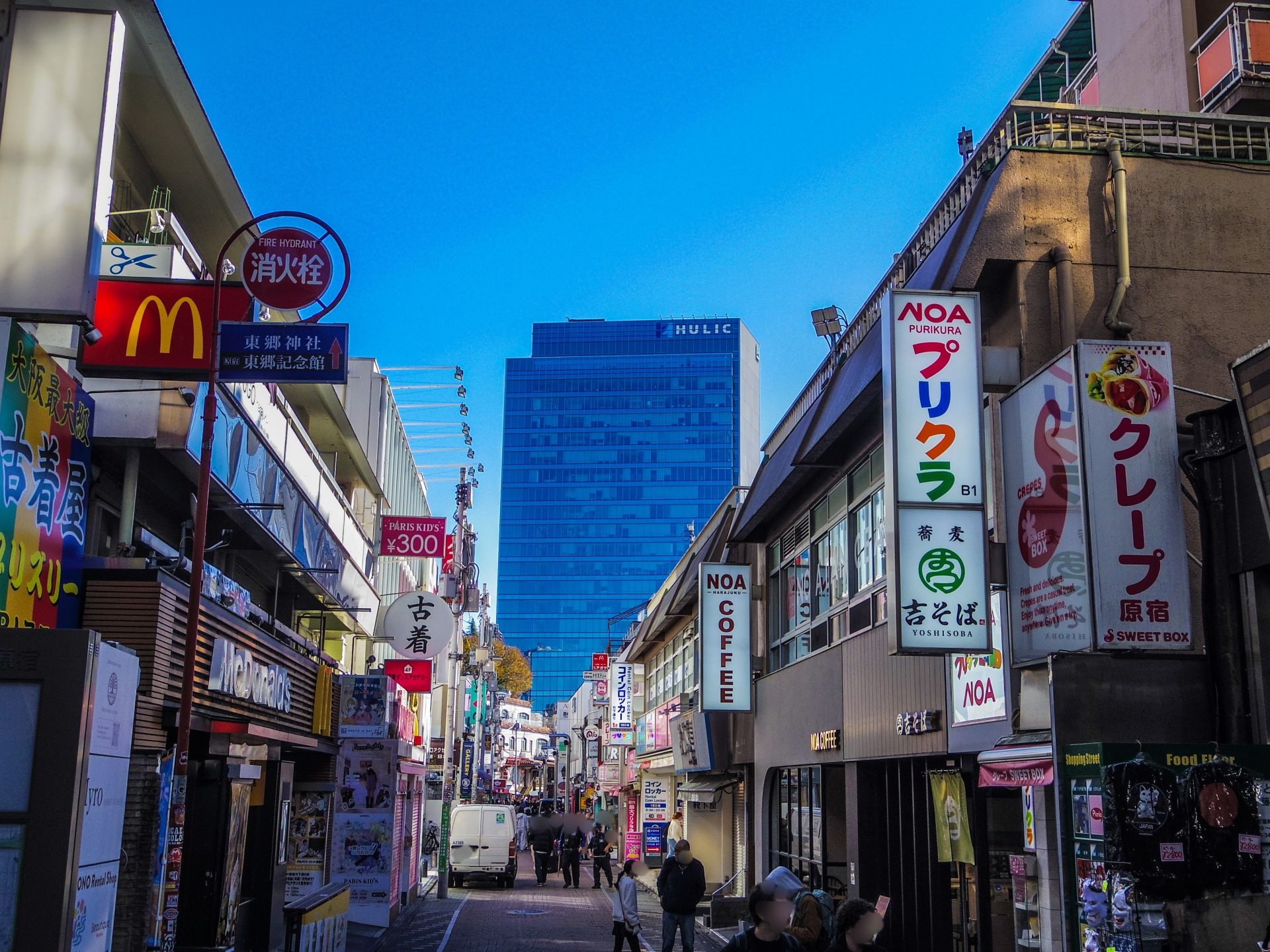
But these places have changed a lot. What once felt like a playground for local teenagers, subcultures, and experimental fashion has become more commercial, more global, more tourist-facing, and in some ways less mysterious.
To understand modern Japanese youth culture, it is important to understand how Harajuku and Shibuya changed over time.
Why Harajuku and Shibuya Became Famous
Harajuku and Shibuya became famous because they were not only shopping areas. They were places where young people could visually express themselves.
Fashion, makeup, hairstyles, accessories, music taste, idol fandom, anime influence, and social identity all appeared on the street.
For many people, these areas were not just locations. They were stages where youth could become visible.
Harajuku
Often associated with kawaii fashion, Lolita styles, colorful street fashion, cosplay-like expression, and experimental youth identity.
Shibuya
Strongly linked to gyaru culture, music, nightlife, dating, shopping, and mainstream youth trends.
Then
More local, more chaotic, more subcultural, and more centered on Japanese youth creating their own styles.
Now
More global, more commercial, more polished, and more shaped by tourism, social media, and redevelopment.
Harajuku: From Street Fashion to Global Image
Harajuku became internationally famous as a place of unusual fashion and cute culture. Colorful clothes, layered outfits, Lolita fashion, decora, punk influences, cosplay-like looks, and handmade styling helped create its image.
What made Harajuku powerful was not only the clothing itself. It was the feeling that young people were creating visual identities outside ordinary social expectations.
For some people, Harajuku was one of the few places where they could express a version of themselves that did not fit school, work, or family life.
Shibuya: Gyaru, Music, and Youth Energy
Shibuya has long been connected to mainstream youth culture. It became especially famous for gyaru culture, fashion buildings, music trends, nightlife, dating culture, and the image of energetic Tokyo youth.
Gyaru culture was especially important because it challenged older ideas of Japanese beauty. Tanned skin, bright hair, strong makeup, nails, short skirts, and confident attitudes created a rebellious visual identity.
Shibuya showed a different side of Japanese youth culture: louder, flashier, more social, and more openly connected to desire, popularity, and trend-making.
The Rise and Decline of Gyaru Culture
Gyaru culture once had enormous influence on Japanese fashion and youth media. It affected makeup, magazines, music videos, television, mobile phone culture, and even the image of high school girls in pop culture.
Over time, the most extreme forms of gyaru became less visible. Beauty trends shifted toward pale skin, natural makeup, clear skin, softer femininity, oversized fashion, and social-media-friendly looks.
Even so, gyaru remains important because it shows that Japanese youth culture has never been only quiet or obedient. It has also included rebellion, confidence, and playful resistance.
How Tourism Changed the Atmosphere
As Harajuku and Shibuya became famous around the world, they also became major tourist destinations.
This brought money, attention, and global visibility. But it also changed the atmosphere. Some areas began to feel less like places made by local teens and more like places designed for visitors, photos, shopping, and social media.
The result is complicated. The areas are still exciting, but some of the older underground or teen-centered feeling has become harder to find.
Redevelopment and Commercialization
Shibuya especially has changed through large redevelopment projects, new buildings, global brands, polished shopping spaces, and office-centered design.
These changes made the area cleaner, larger, and easier to use for business and tourism. But they also made some parts feel less chaotic and less youth-owned.
A place that once felt like a messy youth culture center now sometimes feels like a global city brand.
Social Media Changed Street Fashion
In the past, street fashion often spread through magazines, music scenes, small shops, friend groups, and direct observation on the street.
Today, social media changes trends much faster. Fashion is designed not only for real-life communities, but also for photos, short videos, algorithms, and global visibility.
This makes youth culture faster and more connected, but sometimes less local. A style can become global before it has time to fully belong to one place.
Modern Youth Trends: Pale Skin, Makeup, Slimness, and Soft Fashion
Modern Japanese youth beauty trends often emphasize pale skin, clear skin, careful skincare, soft makeup, eye makeup, slim body lines, and balanced fashion.
Oversized clothing, clean streetwear, soft feminine looks, idol-inspired styling, Korean beauty influence, and social-media-friendly aesthetics all shape the current mood.
At the same time, these trends can create pressure. Beauty, body shape, fashion, and online image can become sources of anxiety as well as self-expression.
Harajuku and Shibuya as Places of Self-Expression
Even as these areas changed, their emotional meaning remains important. Harajuku and Shibuya still represent the desire to become visible, to try a different self, and to belong to a culture larger than ordinary daily life.
For some young people, fashion is one of the few safe ways to express identity. Clothes, makeup, hair, accessories, and photos become tools for saying something that may be difficult to say directly.
This is why these areas remain powerful symbols in Japanese visual culture.
How These Streets Connect to Anime and Manga
Harajuku and Shibuya influenced anime, manga, games, and music videos because they are visually rich places.
Characters with bold fashion, gyaru energy, idol-like cuteness, streetwear, subculture styling, or cosplay-inspired looks often reflect the visual language of these areas.
Japanese media often turns real youth fashion into character design. Street culture becomes storytelling.
How These Streets Connect to Idols and Oshikatsu
Harajuku and Shibuya are also connected to idol culture and oshikatsu. Fans visit shops, events, cafes, live houses, photo spots, and collaboration spaces.
Goods, fashion, makeup, and fan identity often overlap. A person may dress in a way that reflects their favorite idol, character, artist, or fandom.
In this sense, youth culture streets are not only about shopping. They are also places where fandom becomes visible.
How This Connects to Gravure and Visual Culture
Japanese gravure and photo books often borrow from the same youth visual language: cute fashion, school-like styling, casual street moods, soft makeup, seasonal scenery, and a sense of everyday intimacy.
The appeal is not only physical beauty. It is also the atmosphere of youth, fashion, personality, and a moment that feels close but temporary.
Understanding Harajuku and Shibuya helps explain why Japanese visual culture often blends fashion, cuteness, nostalgia, and emotional fantasy.
Why “Then vs Now” Matters
The change from local youth culture to global city branding is important. It shows how Japanese subcultures can become international images, but also how they can lose some of their original intimacy.
Harajuku and Shibuya are still meaningful, but their meaning has changed. They are no longer only places where Japanese teens create new styles for themselves. They are also places where Japan performs youth culture for the world.
That tension between local expression and global consumption is one of the most important stories in modern Japanese pop culture.
Final Thoughts
Harajuku and Shibuya matter because they show how Japanese youth culture became visible: through fashion, music, makeup, fandom, idols, gyaru culture, street style, and self-expression.
Their transformation also shows how Japanese culture changes when local subcultures become global images. Once you understand this shift, it becomes easier to understand modern anime, idols, cosplay, gravure, photo books, and youth-centered Japanese media.