
Beginner Guide
What Is Gravure?
A beginner-friendly guide to Japanese gravure culture, its atmosphere, visual style, and connection to idol media.
Many international audiences discover Japanese gravure photography online without fully understanding what gravure actually is.
At first glance, it may look similar to western glamour photography or swimsuit modeling. However, gravure developed within a very different cultural atmosphere in Japan.
One interesting thing about Japanese gravure culture is that it’s often connected to idol culture rather than pure adult entertainment.
That’s why many gravure photos feel softer, more shy, or more “cute” compared to western glamour photography.
In many cases, emotional atmosphere matters as much as physical attractiveness itself.
More Than Glamour Photography
Gravure exists somewhere between idol culture, magazine photography, soft eroticism, personality-based entertainment, and visual storytelling.
Unlike western glamour photography, which often emphasizes confidence and direct sexuality, Japanese gravure often focuses on softness, shyness, atmosphere, emotional distance, and visual mood.
Softness
Gravure often uses gentle expressions, relaxed poses, and soft lighting.
Atmosphere
The feeling of the scene is often as important as the subject itself.
Personality
Many gravure models are presented as approachable personalities, not only as models.
Japanese Context
School-like imagery, beaches, rooms, and seasonal settings often shape the visual language.
The Connection to Idol Culture
One reason gravure feels unique is its close relationship with Japanese idol culture. Many gravure models are presented not only as models, but also as personalities.
Their appeal often includes expression, atmosphere, charm, emotional accessibility, and the feeling that viewers are discovering a person rather than only looking at an image.
Why Gravure Exists Mostly in Japan
Gravure developed inside a very specific Japanese media environment. Magazine culture, idol entertainment, television variety shows, collectible photo books, and youth-oriented media all helped shape its style.
In Japan, visual entertainment has long focused not only on beauty, but also on emotional atmosphere, personality, softness, and familiarity. Gravure became a format that connected photography with those emotional elements.
Rather than existing as purely adult entertainment, gravure often sits between fashion, idol media, youth culture, and soft visual fantasy.
Difference Between Gravure and Western Glamour
Although gravure and western glamour photography may appear similar at first, they often aim to create very different emotional experiences.
Western Glamour
Often emphasizes confidence, direct sexuality, strong poses, luxury, and visual impact.
Japanese Gravure
Frequently focuses on softness, emotional distance, atmosphere, innocence, and quiet visual storytelling.
Presentation Style
Gravure scenes are often casual and everyday: bedrooms, beaches, school-like settings, seasonal locations, and natural lighting.
Emotional Feeling
Many viewers describe gravure as emotionally nostalgic, calming, approachable, or uniquely gentle compared to western media.
Idol Culture and Gravure
Idol culture is one of the biggest reasons gravure developed differently in Japan. Many gravure models are connected to idol groups, entertainment agencies, television appearances, music activities, or fan communities.
Because of this connection, gravure often presents models as approachable personalities rather than distant celebrities. Fans may follow their interviews, social media, live events, or television appearances in addition to photo releases.
This relationship between personality and photography creates a softer emotional atmosphere that is often considered characteristic of Japanese media culture.
Why Gravure Feels Unique to Japan
Similar forms of photography exist overseas, such as western glamour photography, swimsuit modeling, lingerie modeling, and magazine-style celebrity photos. However, Japanese gravure has developed a very different emotional language.
The key difference is that gravure often combines soft eroticism, innocence, cuteness, shyness, everyday atmosphere, and idol culture. This mixture is one reason many international viewers see gravure as something closely connected to Japanese media culture.
Gravure vs Western Glamour
Western glamour photography often emphasizes confidence, direct sexuality, strong eye contact, body impact, luxury, and a more assertive image. Japanese gravure usually works in a softer and more emotionally indirect way.
Western Glamour
Often built around confidence, sensuality, strong poses, luxury settings, and clear visual impact.
Japanese Gravure
Often built around softness, shyness, cuteness, innocence, atmosphere, and emotional distance.
“Hot” vs “Cute”
Western media often focuses on being “hot,” while gravure frequently mixes beauty with cute, shy, awkward, gentle, or approachable qualities.
Fantasy vs Everyday
Gravure often uses ordinary rooms, beaches, school-like settings, summer light, yukata, and familiar Japanese scenery.
Idol Culture and Gravure
Idol culture is one of the biggest reasons gravure feels different from similar photography overseas. In many countries, models, influencers, adult performers, and celebrities are treated as separate categories.
In Japan, however, idol culture, gravure, acting, variety shows, photo books, and sometimes adult entertainment can exist on a more gradual spectrum. This creates a unique media environment where personality and image are deeply connected.
As a result, gravure is not only about looking at a body or a pose. It is often about discovering a mood, a personality, a shy expression, or a small emotional story within the image.
Why It Feels Japanese
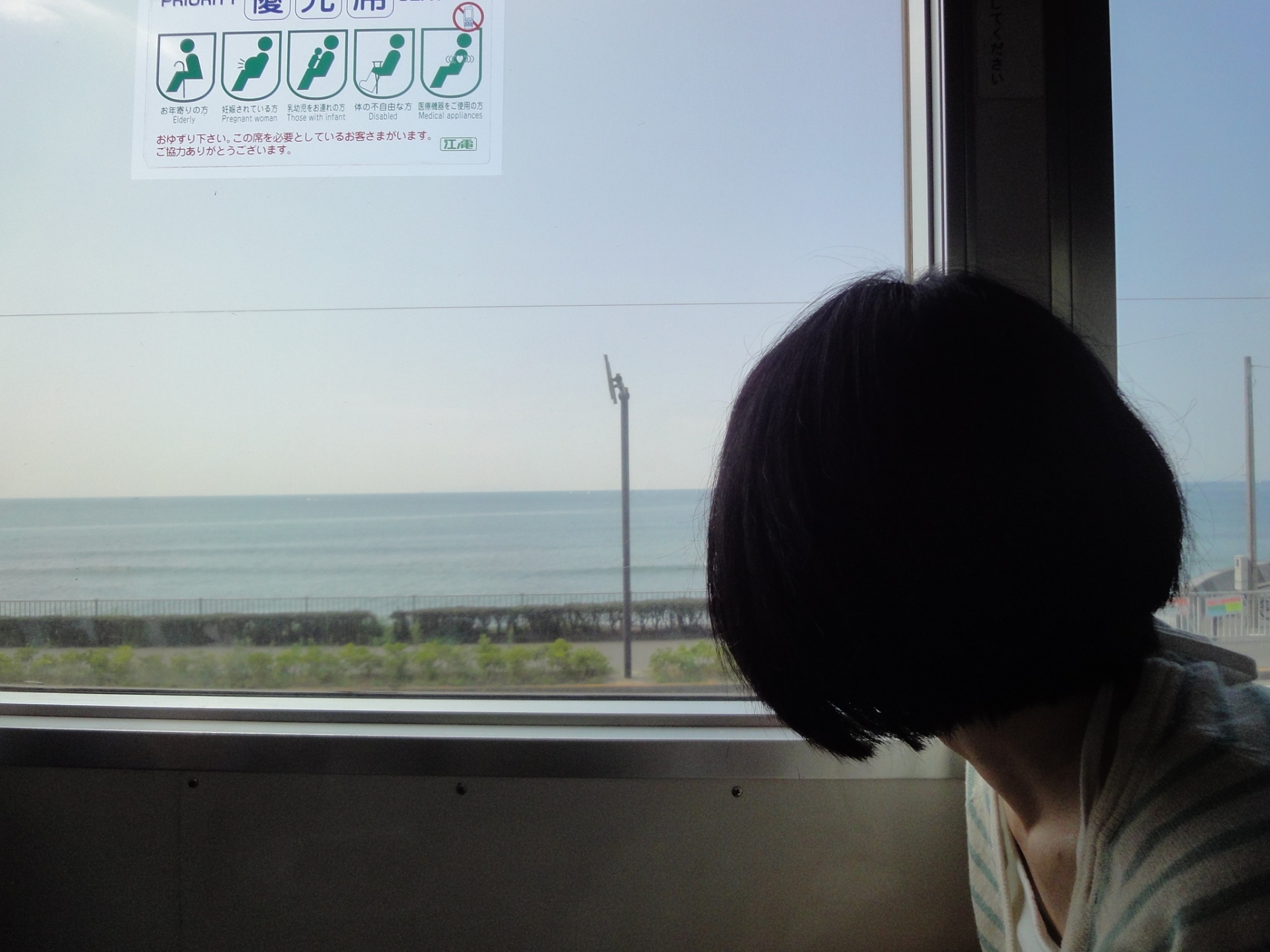
Gravure often uses everyday settings, school-like imagery, rooms, beaches, traditional clothing, and soft lighting.
The result is not only visual attraction, but also a particular emotional atmosphere that many international viewers describe as uniquely Japanese.
Final Thoughts
Gravure is difficult to translate directly into a western category. It is best understood as a Japanese visual culture that combines photography, idol aesthetics, softness, personality, and emotional presentation.