
Culture Guide
Why Japanese Beauty Standards Feel Different
A beginner-friendly look at softness, skincare, slimness, pale skin, makeup culture, and the quiet pressure behind Japanese beauty ideals.
Japanese beauty standards can feel very different from western beauty culture. They are often less about looking powerful or glamorous, and more about softness, cleanliness, youthfulness, subtlety, and emotional presentation.
Many things that feel “normal” to Japanese audiences can feel very unique to international viewers.
To understand Japanese visual culture, it helps to understand how beauty is often connected to mood, modesty, skincare, social pressure, and the idea of looking gentle.
Softness Over Strong Impact
In many western media spaces, beauty is often presented through confidence, sharp features, strong poses, luxury, and bold self-expression.
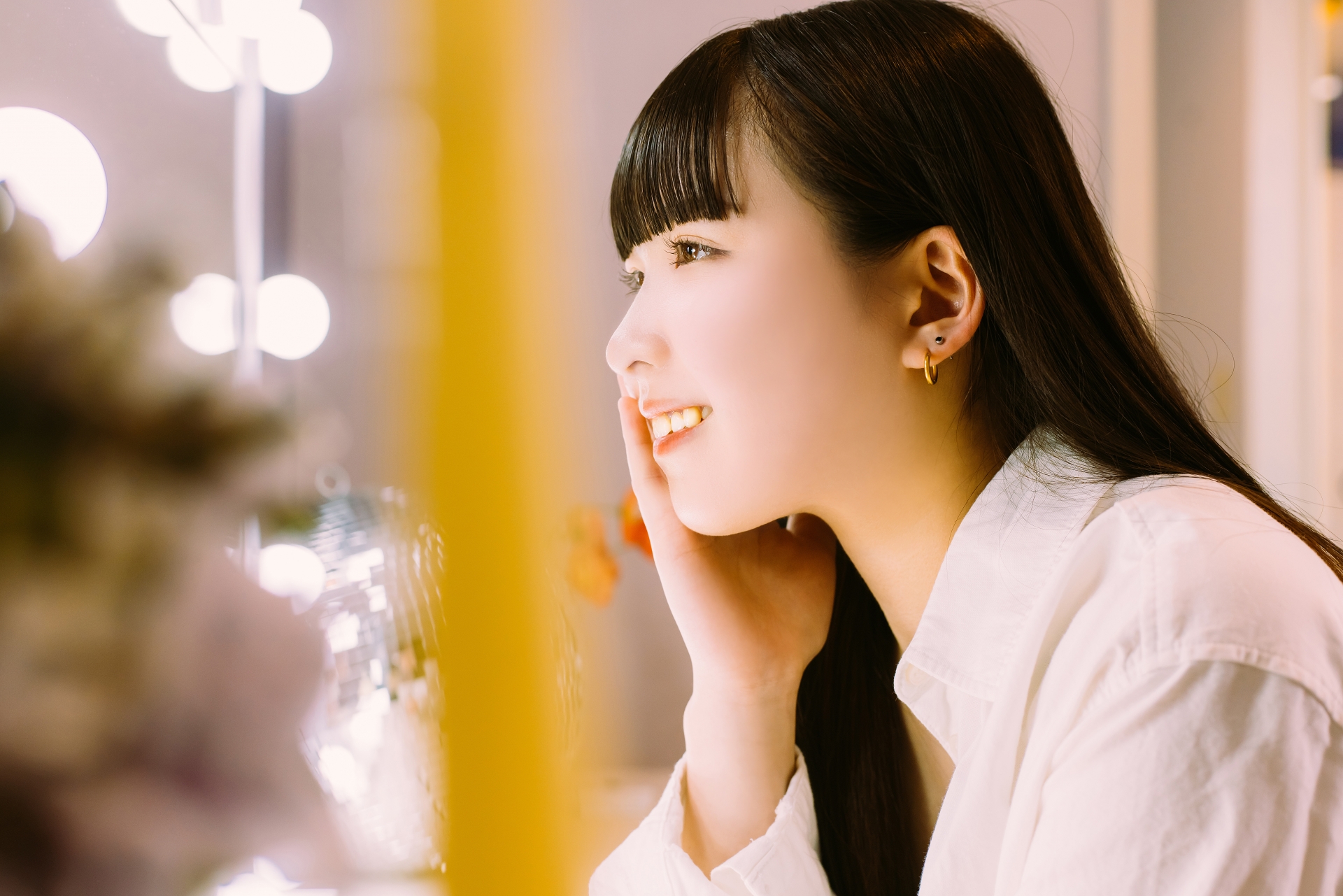
Japanese beauty culture often works differently. A softer face, gentle expression, natural-looking makeup, clear skin, and a modest atmosphere can be valued as much as dramatic visual impact.
Pale Skin
Clear and bright skin is often treated as a sign of care, cleanliness, and softness.
Slimness
A slim body image is strongly present in fashion, idol culture, magazines, and beauty media.
Skincare Focus
Skincare is often treated as a daily routine rather than only a beauty upgrade.
Soft Femininity
Gentle expressions, quiet styling, and modest presentation often shape the ideal image.
Makeup That Looks Natural
Japanese makeup culture often emphasizes looking polished without appearing too aggressive. Soft eye makeup, light blush, natural lips, and smooth skin are common visual goals.
The result is not always “no makeup.” It is often carefully designed makeup that still gives the impression of naturalness, softness, and approachability.
The Pressure Behind Beauty
Japanese beauty standards can also be strict. Slimness, clear skin, neat hair, and careful presentation can create pressure, especially for women, idols, students, office workers, and public-facing personalities.
This pressure is important to mention because Japanese beauty culture is not only cute or elegant. It can also be connected to anxiety, comparison, social expectations, and the feeling that one must always look presentable.
Why It Matters for Japanese Media
These beauty ideals influence anime, idol culture, gravure, fashion magazines, music videos, dramas, and social media.
Characters and performers are often designed to feel delicate, clean, approachable, shy, or emotionally soft. This is one reason Japanese visual media can feel different even before the story begins.
Final Thoughts
Japanese beauty standards are not only about appearance. They are also about atmosphere: softness, restraint, care, vulnerability, and the pressure to look gentle and socially acceptable.