
Internet Culture Guide
Why Japanese Internet Culture Feels Quiet
A guide to why Japanese online spaces can sometimes feel quieter, more indirect, and less openly confrontational than some western platforms.
Japanese internet culture can sometimes appear quiet when compared with western online spaces. This does not mean Japanese users have nothing to say, or that Japanese online communities are inactive.
Rather, the quiet atmosphere often comes from a preference for indirect expression, social distance, anonymity, and avoiding unnecessary public attention.
Avoiding Standing Out
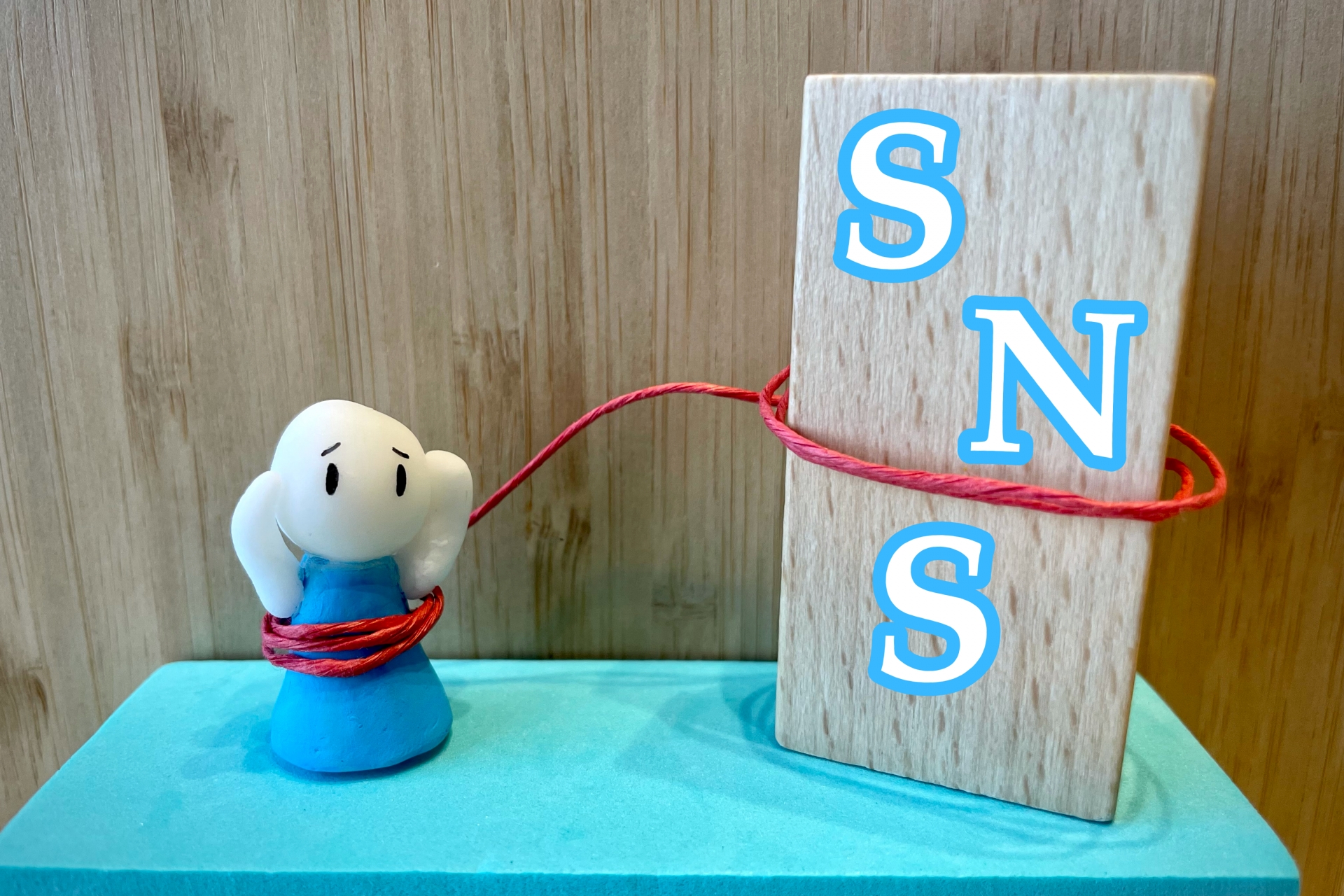
Many users are cautious about becoming too visible online. Strong opinions, public arguments, or excessive self-promotion can feel socially risky.
Indirect Expression
Instead of arguing directly, people may express disagreement through silence, reposts, vague wording, private conversations, or simply leaving a space.
Anonymous Participation
Anonymous and pseudonymous accounts allow people to participate without attaching every opinion to their real-life identity.
Quiet Does Not Mean Empty
Likes, saves, private accounts, fan archives, screenshots, and small communities can carry a lot of activity beneath the surface.
Quiet Compared with What?
When people say Japanese internet culture feels quiet, they are usually comparing it with online cultures where public debate, personal branding, political argument, and direct self-expression are more visible.
In Japan, many users still express strong feelings online. However, those feelings are often expressed through smaller accounts, anonymous identities, fandom spaces, private groups, or indirect language.
So the better way to describe it is not “Japanese internet culture is quiet,” but “Japanese internet culture can look quiet from the outside.”
The Fear of Becoming Too Visible
One key reason is the fear of standing out. In Japanese society, being too visible can sometimes invite criticism, misunderstanding, or social pressure.
This does not mean every Japanese person avoids attention. Many creators, influencers, streamers, artists, and fans are highly expressive online.
But for ordinary users, there is often a strong sense that public visibility should be managed carefully. A careless post can be screenshotted, criticized, shared out of context, or connected back to real life.
Why Anonymous Accounts Matter
Anonymous and pseudonymous accounts are important because they reduce the pressure of public identity. They allow people to follow fandoms, discuss hobbies, express emotions, or react to social issues without exposing their real name.
In this page, anonymity should be understood mainly as a form of social self-protection. It helps explain why Japanese online culture can look quiet even when people are actively watching, reading, saving, and discussing things elsewhere.
In other words, anonymity is not always about hiding something bad. It can also be about avoiding unnecessary attention.
Lurking Is Also Participation
Many Japanese users participate quietly. They may read posts, save images, follow creators, watch streams, collect information, or join fandoms without commenting often.
This kind of silent participation is easy to overlook. From the outside, a community may look calm, but inside it may have strong emotional investment, long-term loyalty, and deep shared knowledge.
Why Atmosphere Matters
Japanese online spaces often value mood. A timeline, fan community, or anonymous board may feel meaningful not because everyone speaks loudly, but because people understand the emotional tone of the space.
This is especially visible in fandom culture, where small reactions, shared jokes, soft language, and careful distance can create a sense of belonging.
Personal Perspective
My personal impression is that many Japanese internet users are not quiet because they lack opinions.
Rather, many people are careful about where, how, and under what identity they express those opinions. Public visibility can feel heavy, especially when online statements may be judged by strangers, coworkers, classmates, or future employers.
I have often seen Japanese users choose distance instead of direct conflict. They may avoid replying, move to private accounts, or express disagreement in a softer and less confrontational way.
Of course, this is not true for everyone. Japanese online culture is diverse, and there are many loud, expressive, and argumentative spaces as well. Still, the tendency to avoid standing out helps explain why Japanese internet culture can sometimes feel quiet from the outside.
Final Thoughts
Japanese internet culture can feel quiet because many users prefer indirect expression, social distance, anonymous participation, and careful visibility.
This quietness should not be mistaken for emptiness. Beneath the surface, Japanese online spaces can be emotional, active, loyal, creative, and intense.