
Culture Guide
Why Nostalgia Is Everywhere in Japan
Understanding summer memories, school nostalgia, emotional loneliness, and the bittersweet atmosphere that appears throughout Japanese media.
Many international viewers notice that Japanese media often feels nostalgic, even when the story takes place in the present.
Anime, manga, gravure, music videos, games, photo books, and films frequently use sunsets, school corridors, train stations, summer festivals, empty classrooms, cicada sounds, and quiet emotional moments.
This nostalgic atmosphere is one of the most important emotional languages in Japanese visual culture.
Nostalgia Is More Than Remembering the Past
In Japanese media, nostalgia is not only about old memories. It is often about the painful awareness that beautiful moments disappear.
A quiet summer evening, the final day of school, walking home after club activities, or spending time with friends before graduation can all feel emotionally important because everyone knows those moments cannot last forever.
This bittersweet emotional awareness appears constantly throughout Japanese culture.
Summer
Summer is strongly connected to youth, freedom, festivals, first love, and temporary happiness.
School Memories
Classrooms, uniforms, club activities, and graduation often become emotional symbols of youth and lost time.
Quiet Places
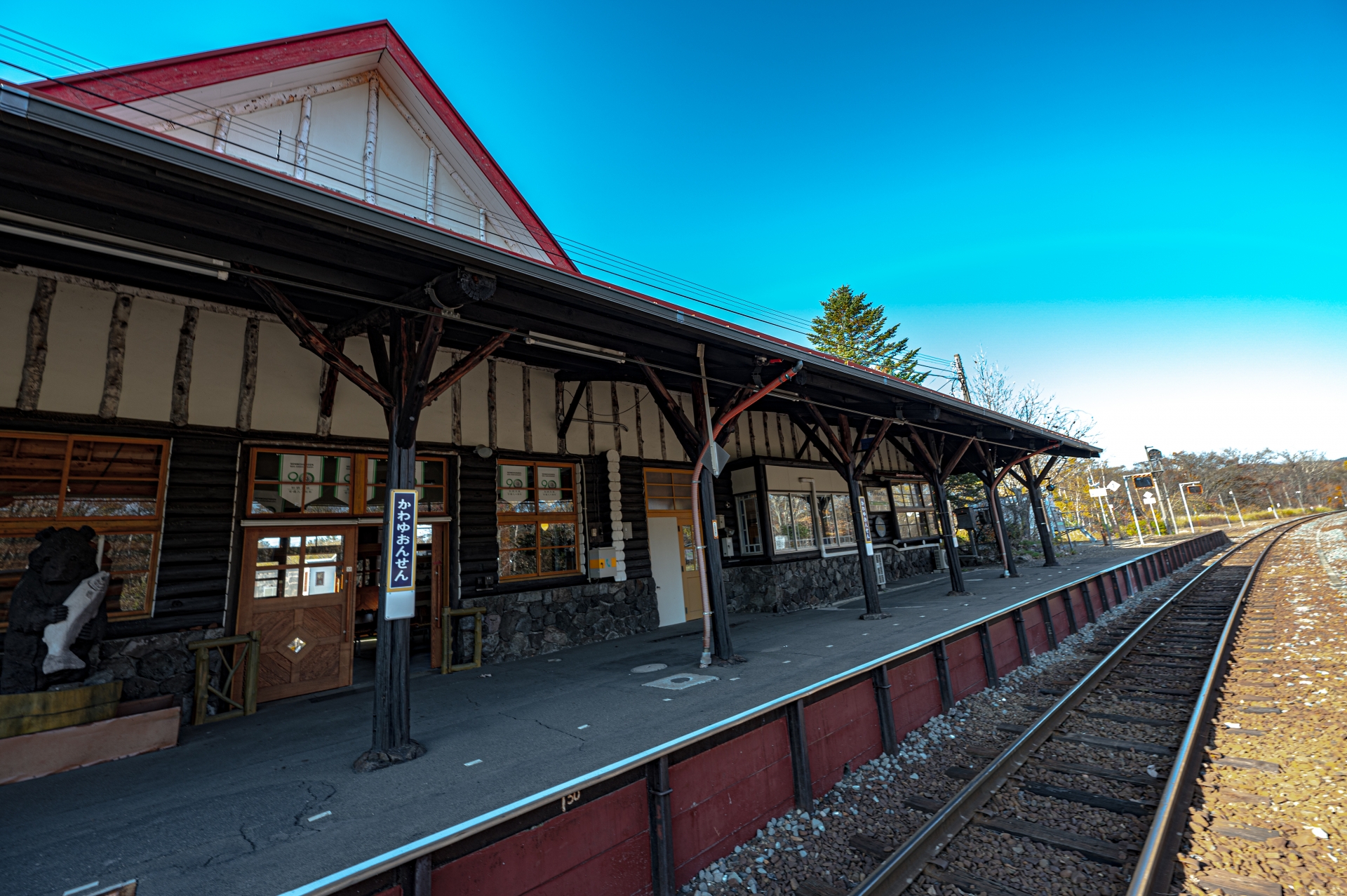
Empty train stations, old streets, riversides, and evening skies are frequently used to create emotional atmosphere.
Emotional Distance
Japanese nostalgia often feels gentle and lonely rather than dramatic or loud.
The Idea of “Mono no Aware”
One important Japanese idea connected to nostalgia is “mono no aware.” This refers to the emotional awareness that all things are temporary.
Cherry blossoms bloom beautifully because they fall quickly. Summer becomes emotional because it ends. Youth becomes precious because it disappears.
Many Japanese stories quietly remind viewers that happiness and sadness often exist together.
Why School Nostalgia Is So Strong
School life carries enormous emotional weight in Japan. For many people, school becomes the emotional center of youth: friendship, loneliness, romance, embarrassment, pressure, clubs, festivals, and graduation all happen there.
Because adulthood is often associated with responsibility, work pressure, and emotional exhaustion, youth can later feel almost dreamlike.
This is one reason Japanese media constantly returns to classrooms, after-school streets, summer uniforms, and graduation scenes.
Why Summer Feels Emotional in Japan
Summer is one of the strongest emotional seasons in Japanese media. Fireworks, cicada sounds, festivals, beaches, yukata, evening skies, and train rides all appear repeatedly.
Summer often represents temporary freedom before reality returns. It becomes a symbol of fleeting happiness, first love, friendship, and moments that cannot be repeated.
This is why many anime, songs, visual novels, and gravure photo shoots use summer imagery so heavily.
Why Japanese Characters Often Feel Lonely
Nostalgia in Japanese media is closely connected to loneliness. Many characters feel emotionally isolated even when surrounded by people.
Social pressure, difficulty expressing feelings, fear of rejection, and uncertainty about the future are common emotional themes.
Because of this, quiet emotional moments often become more important than dramatic speeches or action scenes.
Why Slice-of-Life Anime Feels So Nostalgic
Slice-of-life anime often creates nostalgia through ordinary moments: eating together, walking home, studying late at night, talking quietly after class, or watching the sunset.
These scenes may seem simple, but they remind viewers of emotional experiences they already understand.
The feeling is often: “I know this moment.” “I remember something like this.” “I wish this time would not end.”
Nostalgia and Japanese Music
Japanese music also uses nostalgia heavily. Many songs focus on distance, memory, regret, emotional hesitation, and youth that has already passed.
This emotional atmosphere appears in anime openings, Vocaloid music, idol songs, indie bands, city pop, and modern internet music culture.
Even cheerful songs often contain hidden sadness or emotional longing.
How Nostalgia Connects to Gravure
Gravure frequently uses nostalgic emotional language: school-like imagery, beaches, summer light, pools, old apartments, yukata, and quiet rooms.
The goal is often not only beauty or sexuality. It is also to create atmosphere, softness, emotional memory, and a sense of temporary closeness.
This nostalgic softness is one reason Japanese gravure feels very different from western glamour photography.
Why Japanese Media Feels “Bittersweet”
Many Japanese stories mix happiness and sadness together. Characters may smile while knowing something will end. A beautiful moment can already feel like a memory while it is happening.
This bittersweet emotional style is one reason Japanese anime, manga, idols, gravure, and films often feel emotionally unique to international audiences.
The emotion is not only excitement or sadness. It is the quiet awareness that beautiful moments cannot stay forever.
How Nostalgia Connects to Japanese Adult Media
Some Japanese adult media also uses nostalgia, emotional hesitation, school memories, shy interaction, and story-based atmosphere.
This does not mean all adult media is nostalgic, but Japanese visual culture often values emotional context more strongly than many western audiences expect.
Understanding nostalgia helps explain why some Japanese adult works feel softer, more emotional, or more connected to memory and atmosphere.
Final Thoughts
Nostalgia is everywhere in Japan because Japanese media often treats youth, friendship, summer, and emotional connection as temporary and fragile.
Once you understand this emotional language, it becomes easier to understand why Japanese anime, manga, idols, gravure, music, and visual culture feel so soft, emotional, and bittersweet.