
Otaku Culture Guide
What Is Otaku Culture?
A human guide to Japanese otaku culture — not just anime fans, but a world of devotion, collecting, memory, identity, and emotional attachment.
For many people outside Japan, otaku culture simply means anime fans, manga fans, game fans, cosplay, figures, and colorful shops full of character goods. That image is not wrong. But it is only the surface.
In Japan, otaku culture is not only about liking something. It is often about living with a favorite world for a long time — collecting its objects, remembering its scenes, following its creators, supporting its characters, visiting its places, and making it part of your daily emotional life.
The word otaku itself also has a surprisingly complicated history. It did not originally mean “anime fan,” and it was not always a positive word. If you want to understand that background first, read The Surprising History of “Otaku”: Why It Was Once an Insult in Japan.
This page focuses on what otaku culture means today — and why it became one of the most important parts of modern Japanese media culture.
Otaku Culture Is More Than Being an Anime Fan
A common misunderstanding is that otaku simply means “anime fan.” In reality, otaku culture can include many different fields:
- anime and manga
- video games and visual novels
- idols and voice actors
- VTubers and streamers
- doujin culture and fan-made works
- figures, model kits, cards, and goods
- cosplay and character fashion
- trains, cameras, history, military hobbies, computers, and many niche interests
The important point is not the genre. The important point is the depth of attachment.
An otaku does not just consume a work and move on. They often remember details, follow timelines, compare versions, collect related objects, talk about small differences, and keep caring about the same world for years.
More Than Watching
Otaku culture is not only about watching anime or reading manga. It can involve visiting shops, buying goods, attending events, following creators, and building routines around a favorite work.
Emotional Attachment
Many fans form strong emotional bonds with characters, idols, VTubers, voice actors, creators, stories, and fictional worlds. The attachment can feel private, nostalgic, and deeply personal.
Collecting Culture
Goods, figures, acrylic stands, cards, badges, photo books, and limited items are not just merchandise. They are visible signs of memory, support, and devotion.
Community and Solitude
Otaku culture can be social through events and online spaces. But it can also be quiet, solitary, and personal — something a person carries privately in everyday life.
Why Otaku Culture Became So Powerful in Japan
One reason otaku culture became powerful is that Japanese media is very good at creating worlds that continue beyond a single story.
A character may begin in an anime, but continue through manga, games, songs, live events, figures, collaboration cafés, voice actor performances, social media, and limited goods. The story does not end when the episode ends.
This structure allows fans to stay emotionally connected for a long time. They can keep returning to the same world in different forms.
In that sense, otaku culture is not just entertainment. It is a system of long-term attachment.
The Role of “Oshi”
One of the most important ideas in modern Japanese fan culture is oshi. An oshi is a favorite person, character, idol, VTuber, actor, voice actor, group, or even fictional existence that a fan chooses to support emotionally.
The word is often translated as “favorite,” but that translation feels too weak. An oshi is not always just someone you like. It can be someone you want to support, protect, watch over, celebrate, and remember.
This is why buying goods, attending events, collecting items, watching streams, or sharing posts can feel meaningful. It is not only consumption. It is a small act of support.
For some people, oshi culture becomes part of daily life. A keychain on a bag, an acrylic stand on a desk, a concert ticket, a birthday post, or a limited item can become a small emotional anchor.
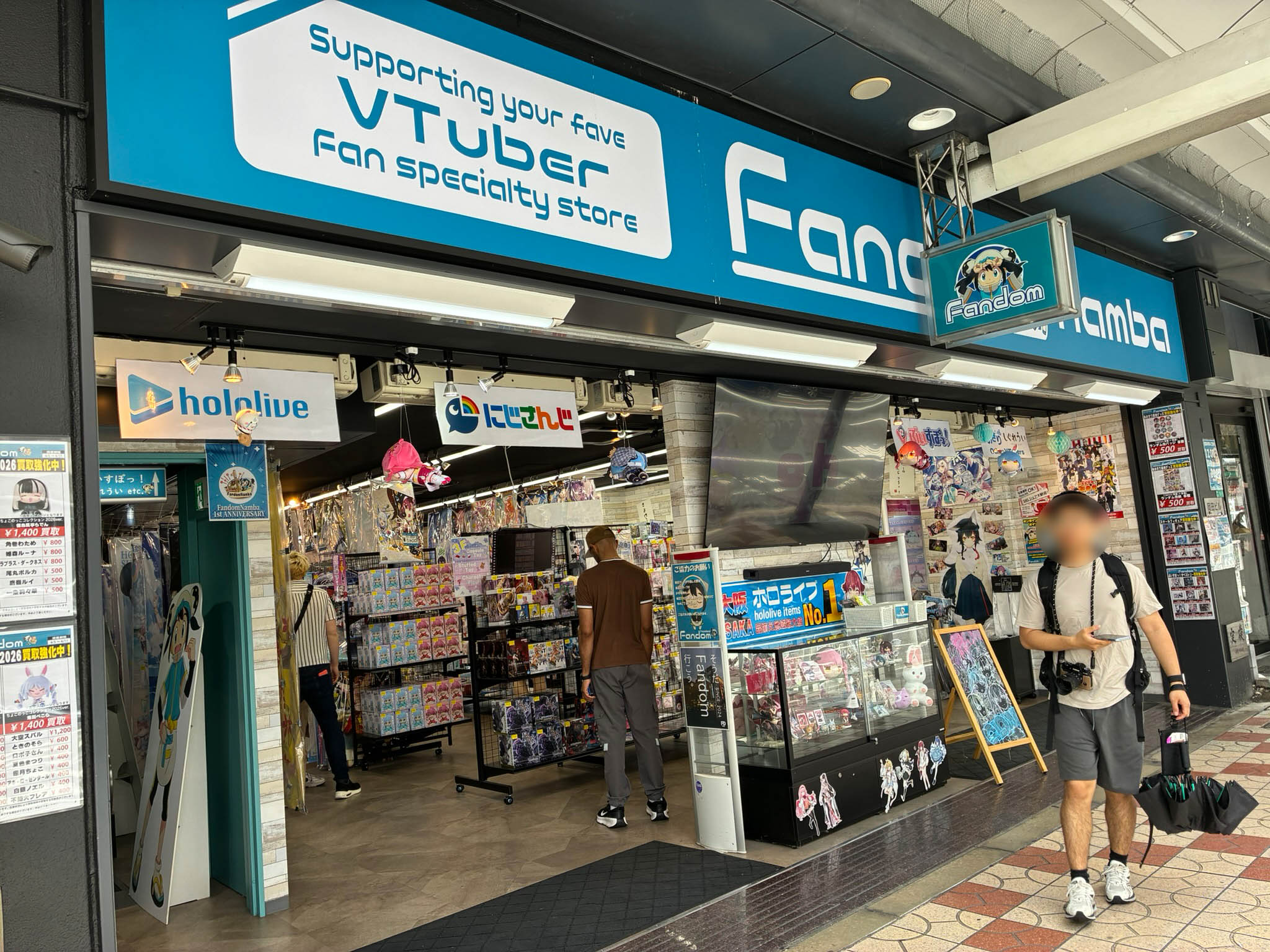
Photo by the author.
Collecting Is Not Just Buying
From the outside, otaku collecting can look excessive. Shelves full of figures, badges, cards, acrylic stands, posters, plush toys, and limited editions may seem like simple consumerism.
But for many fans, collecting is closer to preserving a relationship with a work. A figure is not only a figure. A badge is not only a badge. A limited item may carry the memory of a specific event, season, character arc, concert, shop visit, or period of life.
This is one reason otaku culture often feels emotional even when it looks commercial. The object is physical, but the feeling behind it is personal.
A Culture of Detail
Otaku culture values details. A casual viewer may remember the main story. An otaku may remember the outfit variation, the background setting, the voice line, the production staff, the limited illustration, the release date, the discontinued item, or the difference between two versions of the same character.
This attention to detail is one of the reasons Japanese fan culture can feel so deep. Small differences matter because they become part of how fans express care.
In hobby shops, this culture becomes visible. Figures, model kits, cards, game goods, and character items allow fans to bring fictional worlds into physical space.
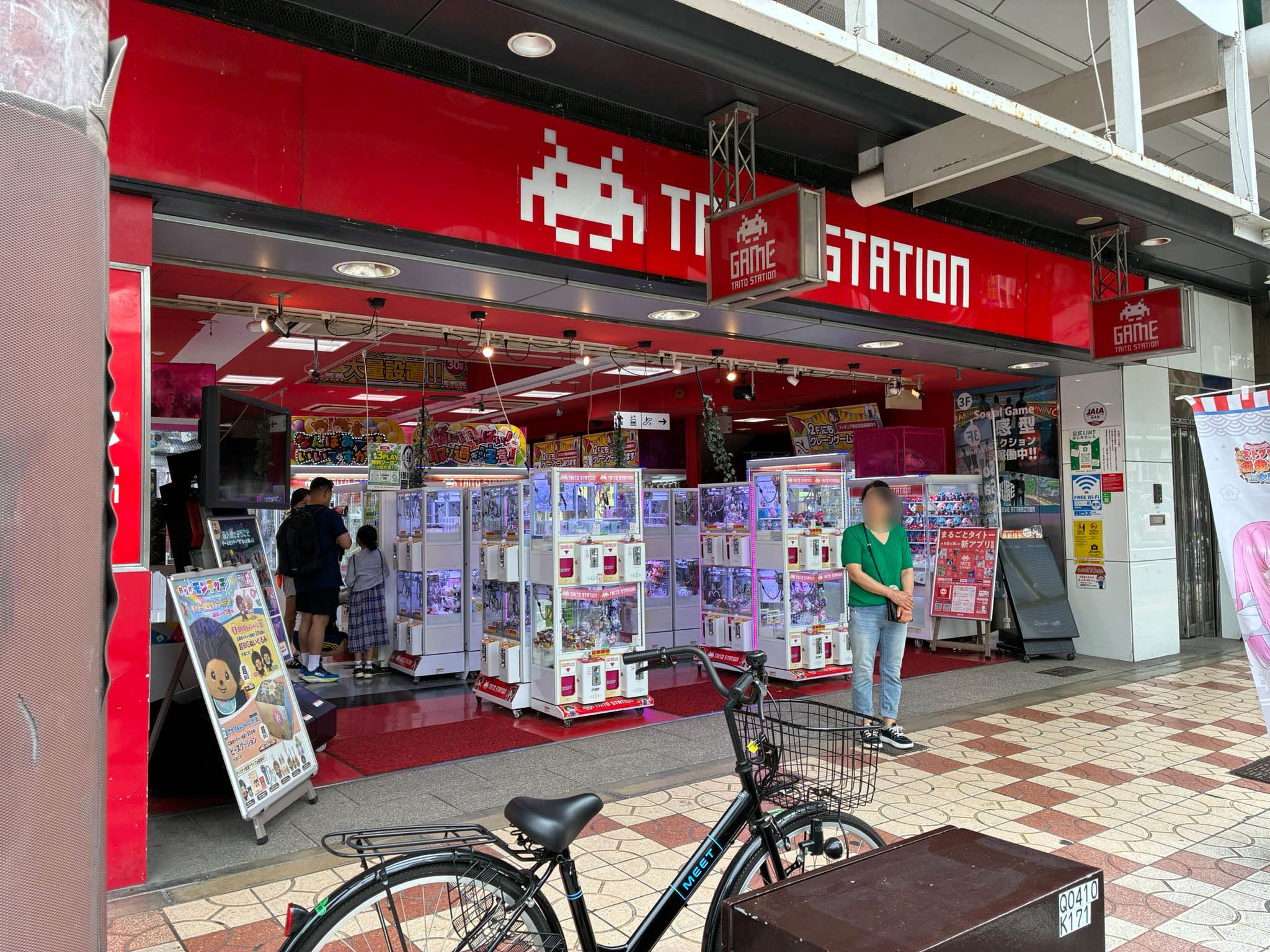
Photo by the author.
Otaku Culture in Real Places
Otaku culture is not only online. In Japan, it also exists in real streets, shops, event halls, bookstores, arcades, hobby stores, second-hand shops, and small districts where many different fan cultures gather together.
Akihabara in Tokyo is the most famous symbol of otaku culture. But it is not the only place. Osaka’s Nipponbashi Otaku Road is another important example.
What makes these places interesting is not only the number of shops. It is the density of signs, characters, posters, goods, screens, narrow stairways, small specialty stores, and people moving between different layers of fandom.
Walking through such a district, you can feel that otaku culture is not just an abstract internet identity. It has weight, color, smell, streets, buildings, shelves, and bags full of things people chose to carry home.
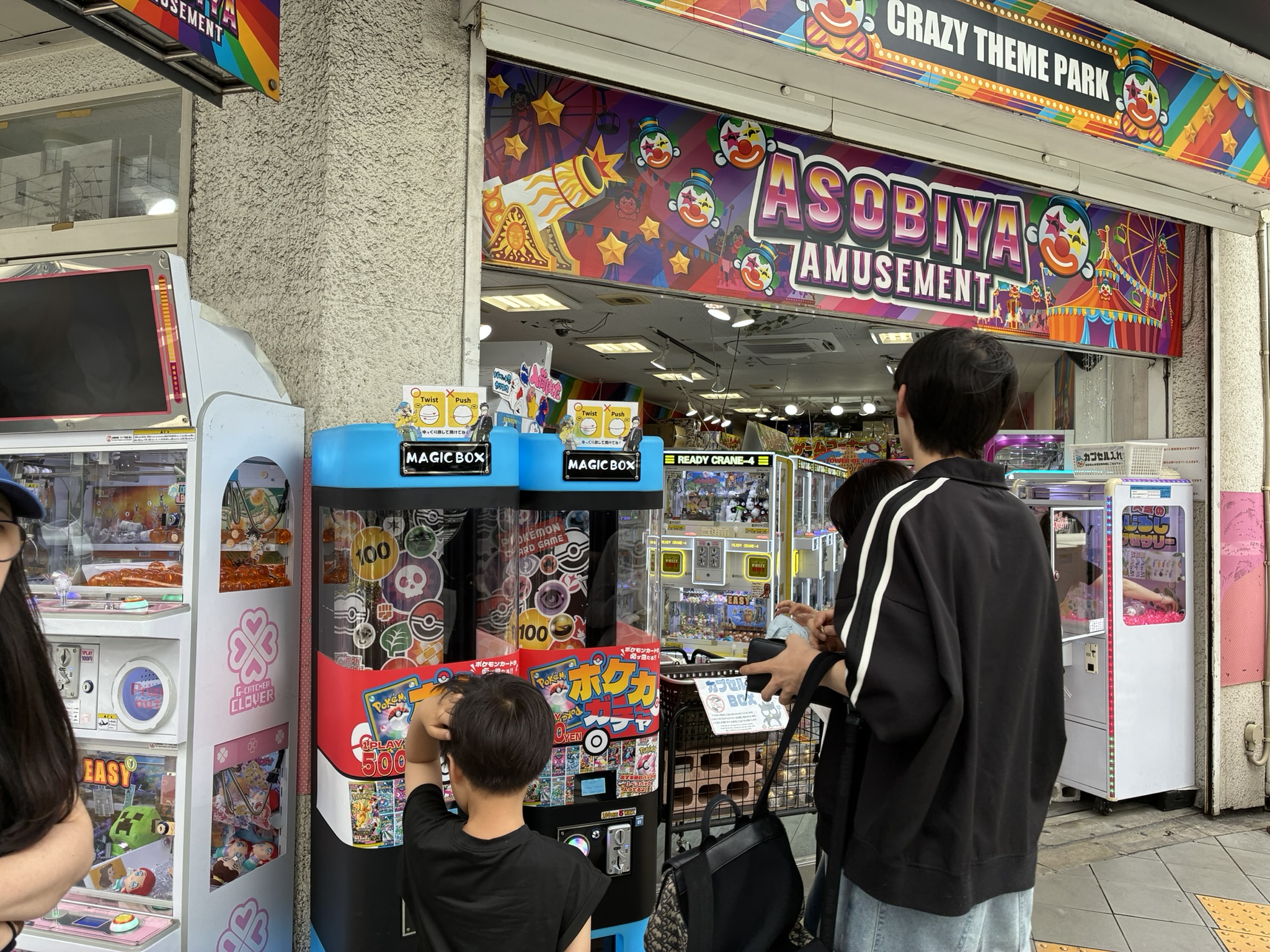
Photo by the author.
Community, Loneliness, and Private Enjoyment
Otaku culture can create strong communities. Fans meet at events, talk online, trade goods, share information, make fan art, create doujin works, and support the same favorite characters or performers.
But otaku culture also has a private side. Many fans enjoy their hobbies quietly. They may not talk about them at school or work. They may keep their favorite characters, idols, or games separate from their public identity.
This quietness is important. In Japan, standing out too strongly can feel risky. For some people, otaku culture becomes a safe place to feel deeply without having to explain everything to ordinary society.
That is why otaku culture can feel both social and lonely at the same time. It connects people, but it also gives them a private room inside their own life.
Why Otaku Culture Is Often Misunderstood
Otaku culture is easy to misunderstand because it looks colorful, commercial, and sometimes strange from the outside. People may see only the goods, costumes, fictional characters, or crowded shops.
But behind those visible things, there is often a more human feeling: wanting to belong somewhere, wanting to support something, wanting to keep a memory alive, wanting to escape ordinary pressure for a while, or wanting to love something without needing it to be practical.
This does not mean otaku culture is always pure or harmless. Like any fandom, it can include obsession, conflict, spending pressure, gatekeeping, and unhealthy behavior. But reducing it to “weird anime fans” misses the deeper emotional structure.
Otaku Culture and Japan’s Media Identity
Today, otaku culture is one of Japan’s most visible cultural exports. Anime, manga, games, VTubers, idols, cosplay, doujin events, and character goods have reached audiences around the world.
But the culture did not become powerful simply because Japan tried to make something global. Much of its strength comes from how specific, detailed, and emotionally local it remained.
Japanese otaku culture often keeps a certain Japanese feeling: indirect emotion, attachment to characters, seasonal memory, small gestures, cute design, melancholy, nostalgia, and the quiet joy of caring about details.
That is why it can feel different from ordinary pop culture. It does not only sell stories. It builds worlds where fans can stay.
Final Thoughts
Otaku culture is not only a hobby category. It is a powerful form of emotional media culture where fans support, collect, remember, and connect with characters, creators, idols, performers, and fictional worlds over time.
It can be public or private, social or lonely, commercial or deeply personal. It lives in anime episodes, manga panels, game worlds, idol stages, VTuber streams, doujin events, shop shelves, acrylic stands, old memories, and small daily routines.
To understand otaku culture, it is not enough to ask, “What do these people like?” A better question is:
“Why do these worlds, characters, and objects stay so deeply in people’s lives?”
That emotional attachment is the real heart of otaku culture.
日本語付録:日本人から見たオタク文化
「オタク文化」と聞くと、海外ではアニメ、漫画、ゲーム、フィギュア、コスプレといった分かりやすいイメージで理解されがちです。 もちろんそれは間違いではありません。 ただ、日本人の感覚から見ると、それだけでは少し表面的です。
オタク文化の本質は、単に「好きな作品がある」ということではなく、 その作品やキャラクター、アイドル、配信者、世界観を長い時間をかけて自分の生活の一部にしていくところにあると思います。
グッズを買うことも、イベントに行くことも、推しを応援することも、外から見るとただの消費行動に見えるかもしれません。 しかし本人にとっては、それが記憶であり、応援であり、自分の気持ちを置いておける場所になっていることがあります。
また、日本のオタク文化には「一人で楽しむ」感覚も強くあります。 もちろんイベントやSNSでつながる楽しさもありますが、同時に、誰にも説明せずに自分だけで大事にしている世界もあります。 そこが日本らしい静けさや、少し寂しさのある魅力につながっているように感じます。
かつて「オタク」という言葉には強いネガティブな響きがありました。 しかし今では、特定のものを深く愛し、詳しくなり、自分なりの形で支える人たちの文化として、国内外で大きな存在になっています。
その意味でオタク文化は、単なる趣味の集まりではありません。 現代日本のメディア文化、感情表現、孤独、記憶、応援、そして「好きなものとどう生きるか」を映す、とても人間的な文化だと思います。