
Otaku Culture Guide
Why Japanese Fans Love Collecting Things
A guide to figures, acrylic stands, cards, oshikatsu, and the emotional economy of Japanese collecting culture.
Collecting is a major part of Japanese fan culture. Figures, acrylic stands, trading cards, badges, photo books, posters, and limited goods are not only objects. They are emotional markers.
For many fans, collecting is a way to support a favorite character, idol, creator, or fictional world.
Figures
Figures turn fictional characters into physical objects. They allow fans to keep a favorite world close in daily life.
Acrylic Stands
Acrylic stands are popular because they are affordable, portable, displayable, and easy to connect with oshikatsu culture.
Trading Cards and Badges
Random goods create excitement, exchange culture, and the feeling of discovery. Fans often trade with others to find their favorite.
Oshikatsu Economics
Oshikatsu means supporting a favorite person or character. Spending money becomes part of emotional participation.
Why Objects Matter
Objects make invisible feelings visible. A collection can show memory, loyalty, taste, and emotional history.
In Japanese fan culture, collecting is often not only about ownership. It can also be a quiet way to say, “This character, performer, or world matters to me.”
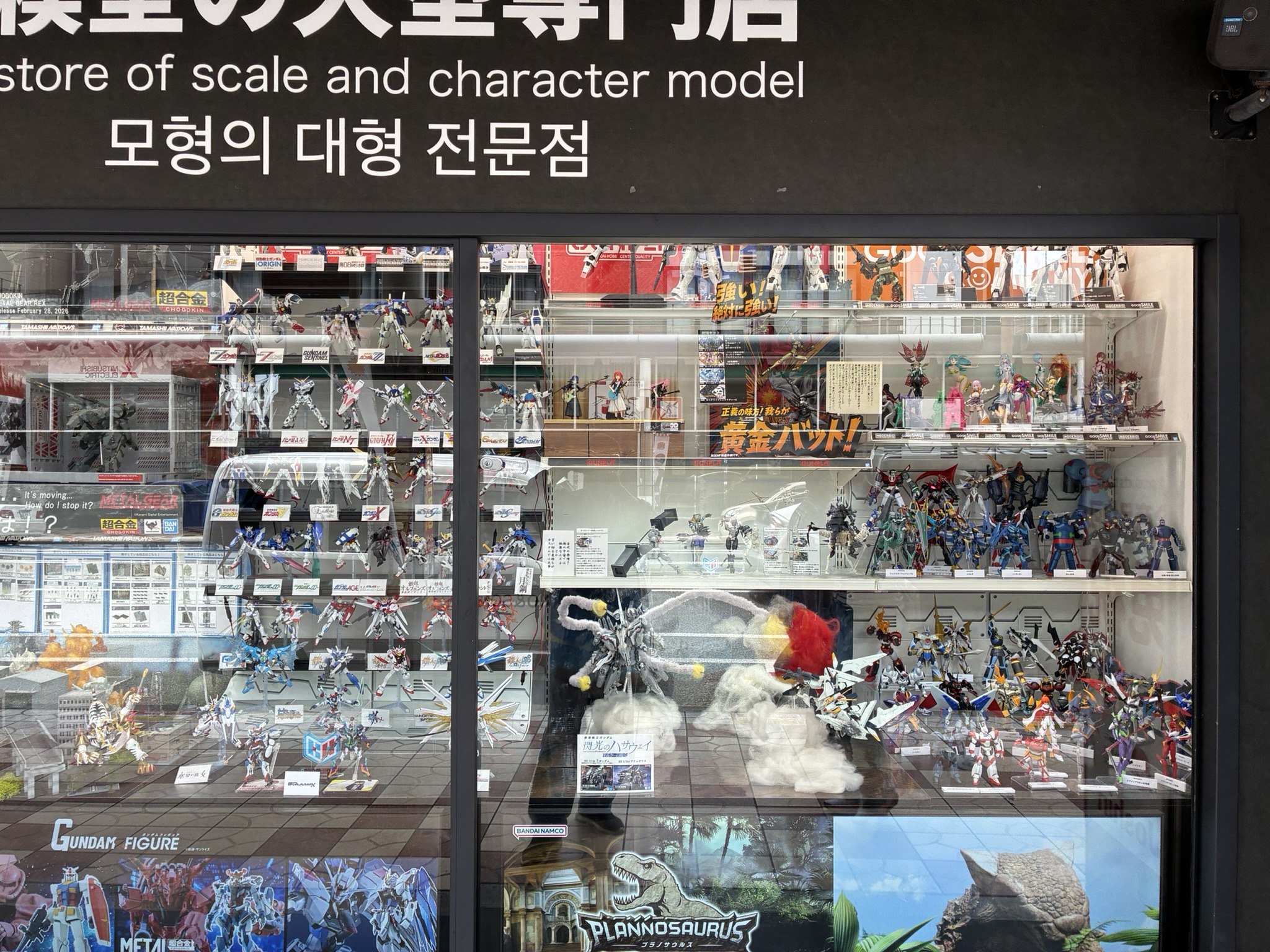
Photo by the author.
Limited Editions
Limited goods create urgency and personal value. The item feels meaningful because it is tied to a time, event, release, collaboration, or fan memory.
This is why even small differences can matter: a pose, costume, expression, package design, event logo, or limited color version can make an item feel special.
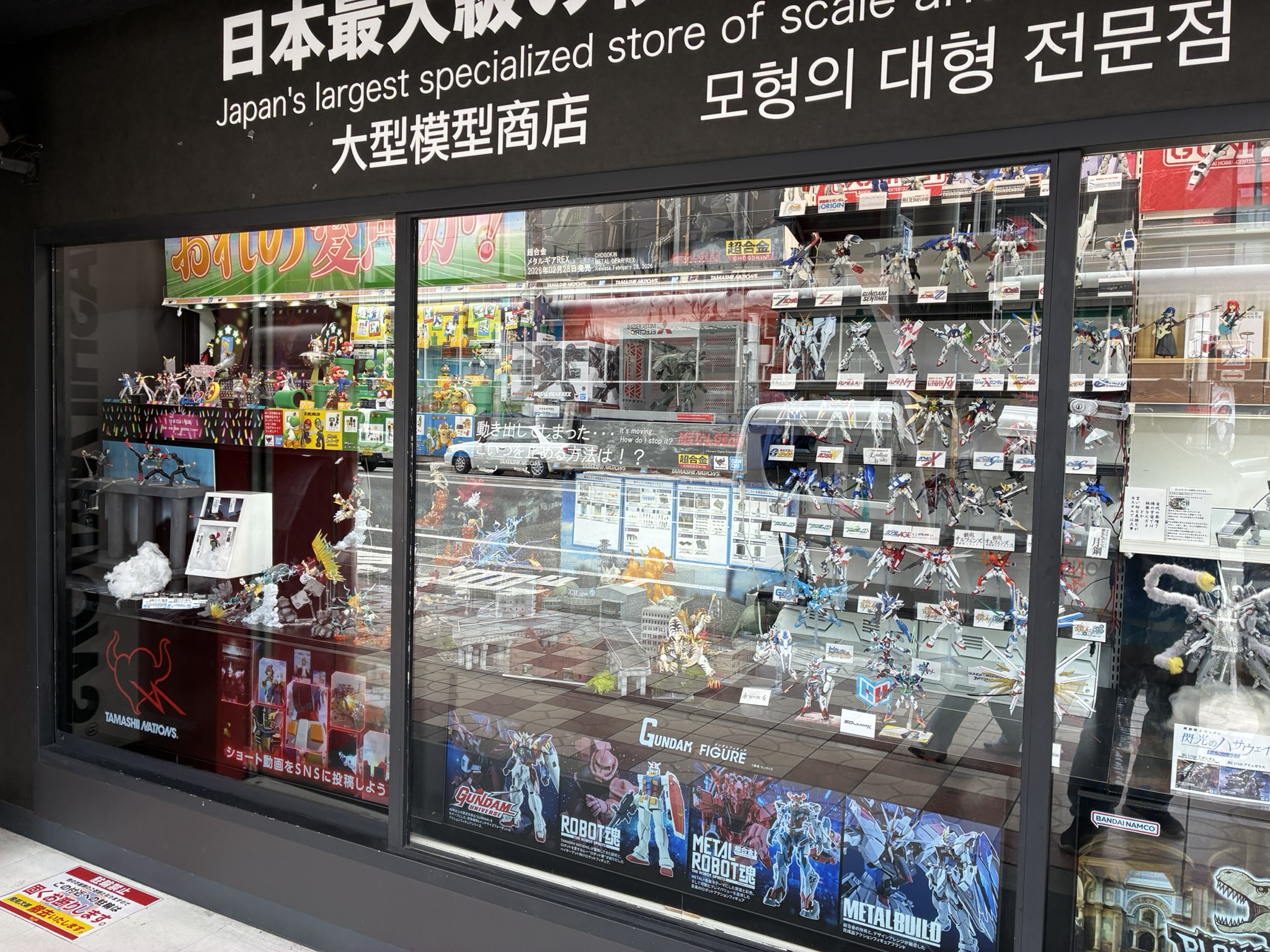
Photo by the author.
Private Display
Many fans decorate rooms, desks, bags, or shelves. These displays turn fandom into a daily environment rather than a one-time activity.
A shelf of figures or goods can work like a small personal archive. It preserves favorite characters, favorite moments, and the history of what a fan cared about over time.
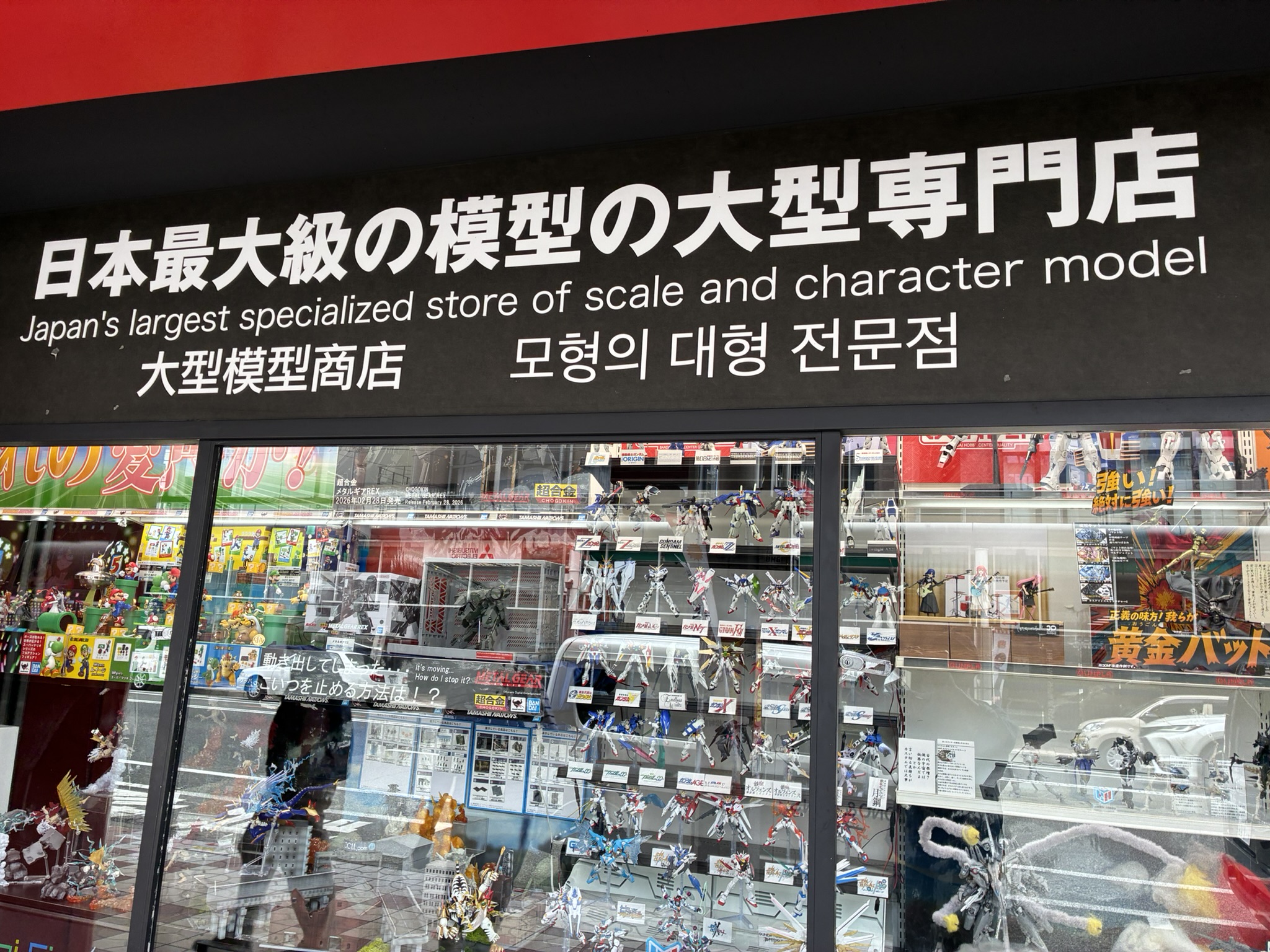
Photo by the author.
Collecting As Emotional Support
Collecting can also become a form of emotional support. A favorite character or idol may remind a fan of a certain season, song, game, anime, concert, or personal period in life.
This is why collecting culture is closely connected to oshikatsu. The object is not only merchandise. It becomes a small symbol of support, memory, and attachment.
Final Thoughts
Japanese collecting culture is powerful because objects become emotional anchors. Fans are not only buying goods. They are preserving attachment, memory, and support in physical form.
Figures, acrylic stands, cards, badges, and limited goods show how Japanese fan culture often turns feelings into visible, collectible, and displayable objects.