
Otaku Culture Guide
Why Akihabara Became the Capital of Otaku Culture
A guide to Akihabara, electronics, anime shops, maid cafés, games, figures, otaku identity, and how Osaka’s Nipponbashi Ota Road offers a different kind of otaku experience.
Akihabara is one of the most famous symbols of Japanese otaku culture. For many international visitors, it represents anime shops, figures, games, maid cafés, electronics, and dense visual energy.
But Akihabara did not become the capital of otaku culture overnight. It developed through layers of electronics, hobby culture, fan communities, commercial entertainment, and tourism.
To understand Akihabara more deeply, it is also useful to compare it with Osaka’s Nipponbashi Ota Road. Both areas have roots in electronics, both became connected to anime and hobby culture, but their atmosphere is not the same.
Electronics Roots
Akihabara first became famous as an electronics district. This gave it a strong connection to technology, gadgets, computers, and hobbyist culture.
Anime and Game Shops
As anime, manga, games, and figures grew, Akihabara became a natural place for specialized shops and fan goods.
Maid Cafés and Performance
Maid cafés helped turn otaku culture into a live experience, mixing fantasy, service performance, character roles, and tourism.
A City of Niches
Akihabara is powerful because it gathers many small worlds in one place: retro games, figures, cards, idols, computers, doujin goods, and cosplay.
Why Akihabara Was Ready to Become an Otaku District
Akihabara’s transformation makes sense when you look at its earlier identity as an electronics district. Electronics shops, computer parts, radio equipment, hobby tools, and specialist stores created a culture of people who enjoyed searching, comparing, collecting, repairing, and customizing things.
That mindset is very close to otaku culture. Otaku culture is not only about liking anime or games. It is also about details, collections, technical knowledge, rare items, and the pleasure of finding exactly what you want.
When anime, manga, games, figures, doujin goods, idols, and character merchandise became larger markets, Akihabara already had the right kind of commercial ecosystem. It was a place for specialists, collectors, and people who enjoyed niche interests.
Why It Feels So Dense
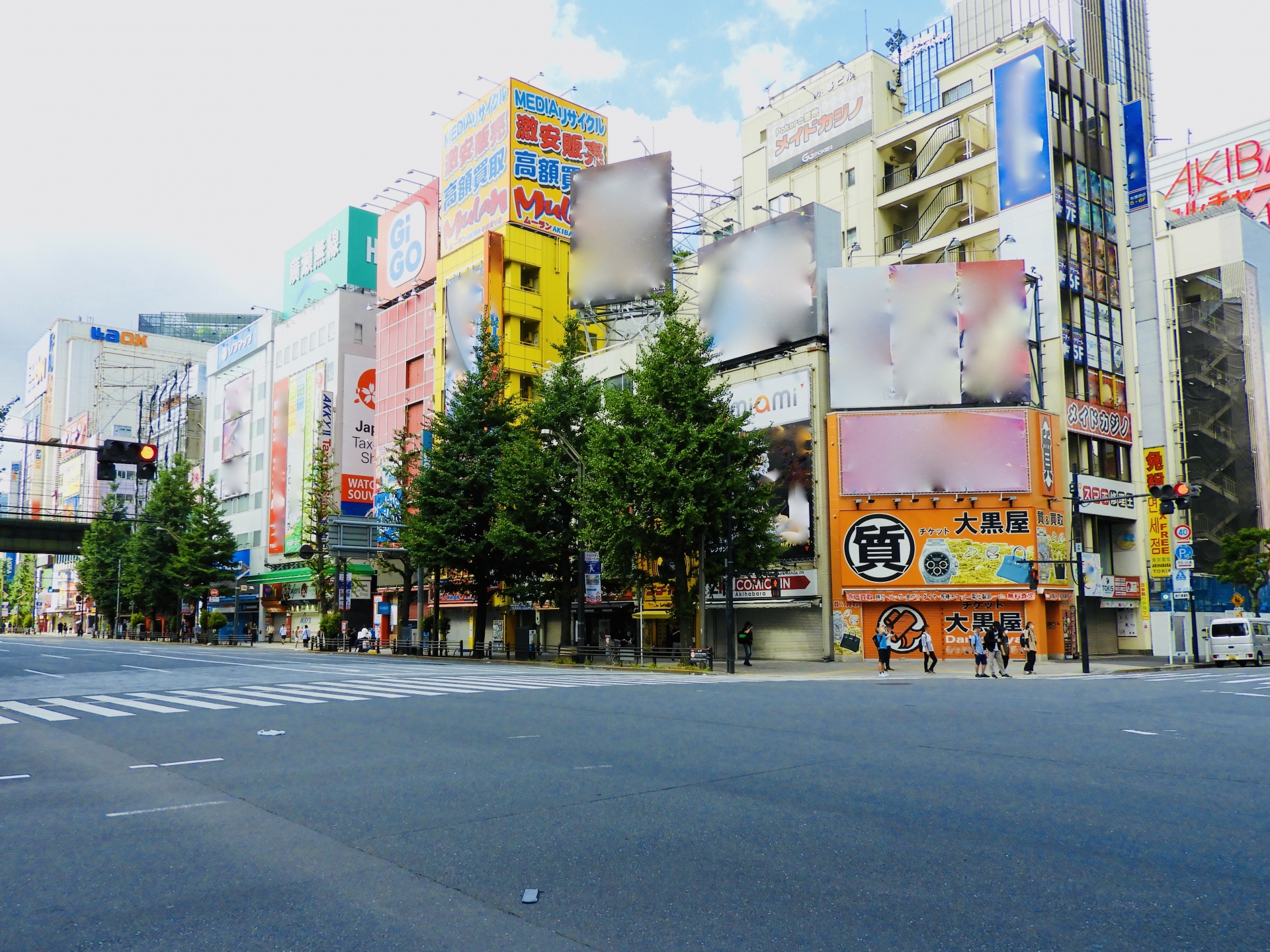
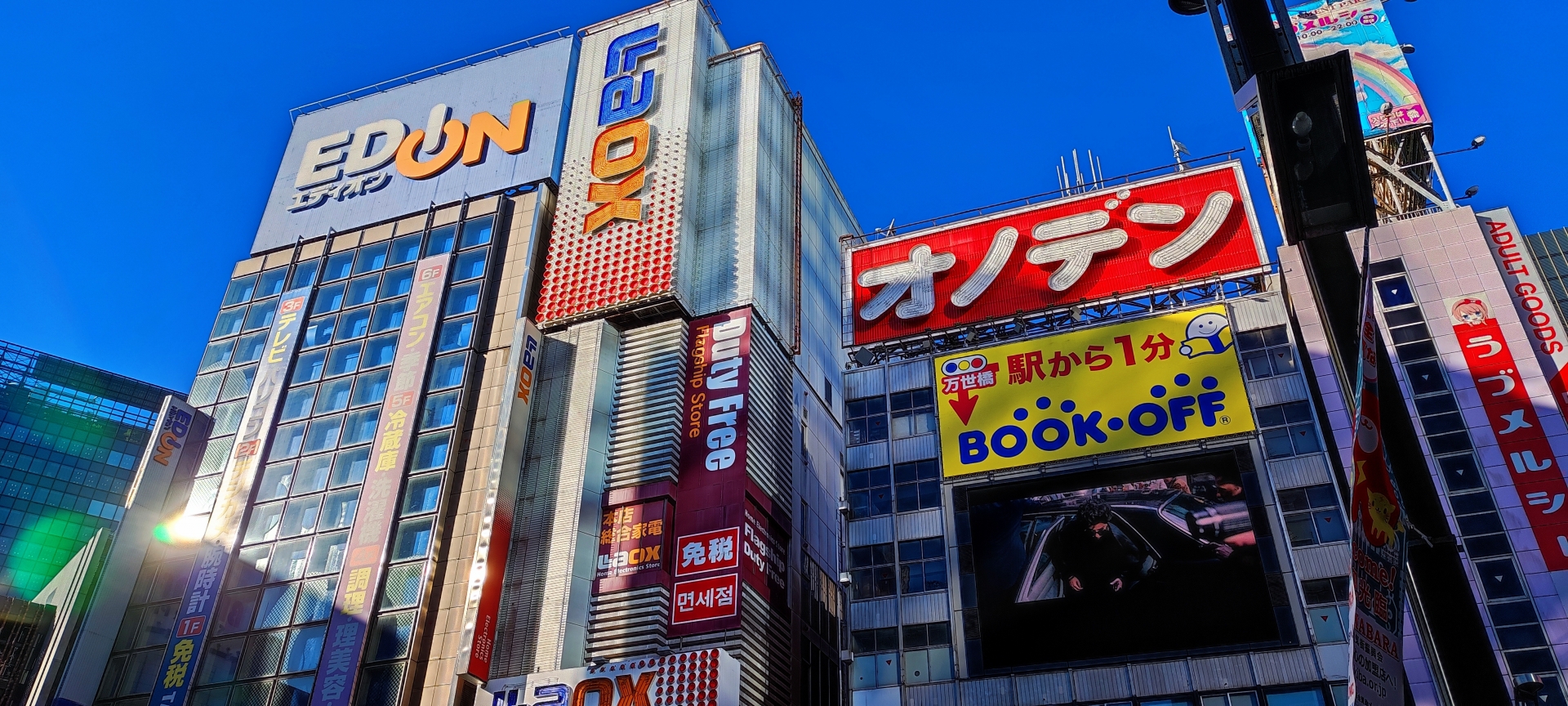
Akihabara’s signs, shop displays, narrow floors, posters, character images, electronic parts shops, figure stores, game shops, and maid café advertisements create an overwhelming media atmosphere.
For first-time visitors, this density can feel exciting. Every building seems to contain another world: retro games, trading cards, anime goods, computer parts, model figures, idol merchandise, doujin works, cosplay items, and cafés with character-based service.
This is one reason Akihabara became so iconic. It does not simply contain otaku culture. It visually announces it from the street.
From Electronics Town to Global Otaku Symbol
Akihabara gradually changed from an electronics-centered area into a broader pop culture district. Computers, games, anime goods, figures, maid cafés, idols, and fan communities layered themselves on top of the older electronics identity.
The rise of AKB48 also helped make Akihabara feel like something more than a shopping district. It became a place where live performance, fandom, media, and local identity overlapped.
International tourism later turned Akihabara into a global symbol of Japanese pop culture, even though its local history is much more complex than the image seen in travel guides.
Akihabara as a Visual Symbol
Akihabara is powerful because it looks like what many people imagine Japanese otaku culture to be. Its streets, buildings, signs, and shops create an immediate visual impact.
Osaka Nipponbashi: Another Electronics Town That Changed
Osaka’s Nipponbashi area, where Ota Road is now located, also has a history as an electronics district. Around twenty or thirty years ago, the area was known for small electronics shops, parts stores, and technical specialist businesses.
At that time, however, the atmosphere was not very glamorous. Many shops felt small, old-fashioned, and somewhat closed in. There was a sense that the traditional electronics district alone might not be enough to keep the area energetic forever.
Akihabara had a similar electronics background, but Tokyo’s scale and location gave it a much stronger base. Even as the electronics business changed, Akihabara had enough size, traffic, and media power to keep reinventing itself.
In Osaka, Nipponbashi had a different challenge. It was close to Namba, one of the major gateways of southern Osaka, and it already had a technical shopping identity. Because of that, it made sense for otaku shops to appear there little by little. Over time, anime stores, figure shops, hobby shops, maid cafés, and character goods stores helped form what is now called Ota Road.
Not the Only Otaku Place
Akihabara is the most famous name, but it is not the only place where otaku culture can be seen in Japan. Tokyo has Akihabara, Ikebukuro, and Nakano. Osaka has Nipponbashi Ota Road.
Ota Road has its own atmosphere: anime shops, figure stores, hobby goods, VTuber-related merchandise, game culture, and narrow streets filled with signs and character images. It shows that otaku culture is not limited to one district in Tokyo. It also exists in regional cities, local shopping streets, events, and online fan communities.
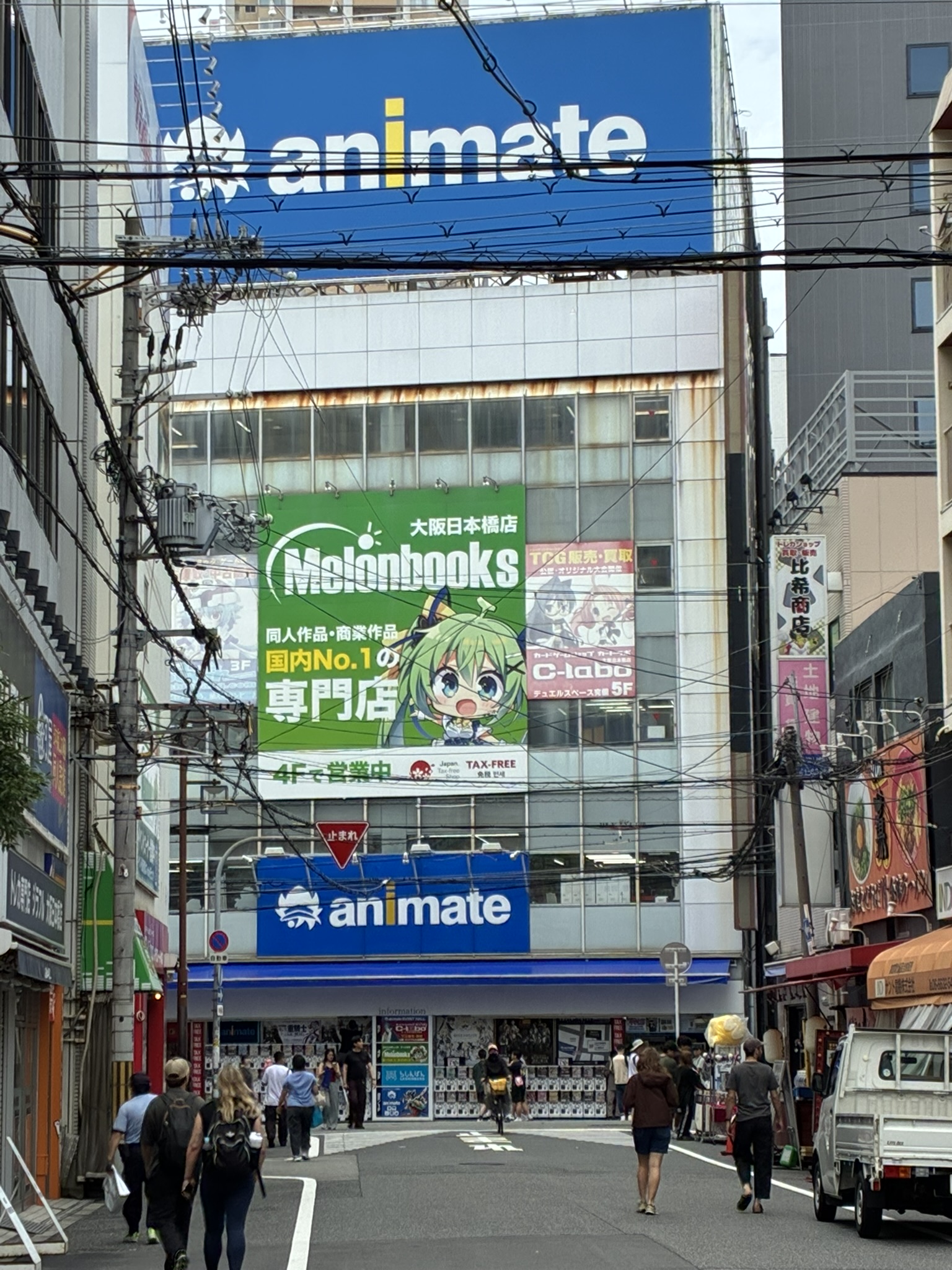
Photo by the author.
Akihabara vs Ota Road: Different Strengths
Akihabara is larger, more famous, and more internationally recognized. It has more shops, more visitors, more history as a global symbol, and a stronger image in travel media.
But bigger does not always mean easier. In my personal view, Akihabara can sometimes feel too large. It may have almost everything, but that also means it can be difficult to find what you actually want.
Ota Road is smaller, but that can be an advantage. It is easier to walk, easier to understand, and less overwhelming. For some visitors, especially those traveling through Osaka, it can feel more practical and comfortable.
Akihabara: Scale
Akihabara has unmatched size and variety. It is the most famous otaku district and the strongest global symbol.
Ota Road: Accessibility
Ota Road is smaller and easier to navigate. It can feel more compact, casual, and approachable.
Akihabara: Everything Exists
Akihabara may have almost anything related to otaku culture, but finding the right shop can take time and energy.
Ota Road: Second Chance
For travelers moving from Tokyo to Osaka, Ota Road can be a second chance to buy anime goods before leaving Japan, especially through Kansai International Airport.
Personal Perspective: Why I Like Osaka’s Ota Road
Personally, I feel that Ota Road has advantages that are easy to miss if people only compare it with Akihabara by size.
Akihabara is enormous. That is part of its appeal, but it can also be tiring. If you do not already know where to go, you may spend a lot of time walking, searching, and feeling overwhelmed.
Ota Road is smaller, but it feels more manageable. It is close to Namba, easy to combine with other Osaka sightseeing, and convenient for travelers who may later leave Japan from Kansai International Airport.
I also feel that Osaka’s local character gives Ota Road a warmer atmosphere. Shop staff can be friendly and human, though of course this does not mean customers can behave rudely or expect special treatment. Osaka kindness is real, but it is not unlimited.
Another advantage is cost. Compared with Tokyo, Osaka can be a little easier in terms of hotel prices, transportation, parking, and food. This can make an otaku trip feel less stressful.
Ota Road and the surrounding area also have maid cafés, concept cafés, casual restaurants, and good local food. For visitors, this matters. Otaku shopping is fun, but people also need places to rest, eat, and reset their energy.
In short, Akihabara is the capital. But Ota Road may be one of the best places to actually enjoy otaku culture at a relaxed human scale.
日本語付録:日本橋オタロードについての私見
現在のオタロードがある大阪日本橋周辺は、20〜30年前までは古くからの電気・電子部品の専門店が立ち並ぶ地域でした。ただ、当時の印象としては、店や会社はこじんまりとしていて、華やかさよりも古い専門街としての閉塞感が強かったように思います。
秋葉原も同じく電気街でしたが、東京という地の利や規模の大きさがあり、時代が変わっても何とか次の形へ移行していく雰囲気がありました。そこにオタク文化が進出し、AKB48の登場などもあって、秋葉原は電気街とは違う顔を見せるようになっていきました。
大阪日本橋も、なんばから近い立地であり、もともと電気街としての土壌がありました。このまま古い電気街だけで終わらせるにはもったいない場所だったと思います。秋葉原で起こった変化を大阪日本橋に持ち込むことに、大きな違和感はありませんでした。
その結果、ぽつりぽつりとアニメショップ、ホビーショップ、フィギュアショップ、メイド喫茶、コンカフェなどが進出し、現在のオタロードが形作られていったのだと思います。
もちろん規模では秋葉原に及びません。しかし、オタロードには秋葉原とは違う良さがあります。大きすぎず歩きやすいこと、なんばから近いこと、関空から帰国する旅行者にとって最後の買い物チャンスになり得ること、東京より滞在コストが抑えやすいこと、周辺においしい飲食店が多いことなどです。
秋葉原は日本のオタク文化の首都と言ってよいと思います。しかし、オタロードは大阪らしい距離感でオタク文化を楽しめる、非常に実用的で人間味のある場所だと思います。
Why This Comparison Matters
Comparing Akihabara and Ota Road helps us understand that otaku culture is not one fixed place. It changes depending on the city, the local economy, the surrounding food culture, the shopping streets, the people, and the rhythm of daily life.
Akihabara became the global symbol because it had scale, timing, technology, tourism, and media visibility. Ota Road shows how the same cultural energy can appear in a smaller, more local, and more Osaka-like form.
This is why Akihabara became a global symbol, but not the whole story. It represents a larger culture that spread through many places: Ikebukuro, Nakano, Osaka Nipponbashi, local hobby shops, fan events, and online communities.
Final Thoughts
Akihabara became the capital of otaku culture because electronics, anime, games, figures, performance spaces, and niche fan communities gathered in one district.
But Akihabara should also be understood as one powerful symbol within a much wider Japanese otaku landscape. Osaka’s Nipponbashi Ota Road shows another version of the same culture: smaller, more compact, more local, and in some ways easier to enjoy.
Akihabara may be the capital. But Ota Road reminds us that otaku culture is not only about scale. It is also about atmosphere, access, local character, and the pleasure of finding a place that feels comfortable.