
Cosplay Guide
Why Japanese Cosplay Feels More Cute Than Sexy
Understanding kawaii aesthetics, self-expression, character love, emotional identity, and why Japanese cosplay often feels different from western cosplay culture.
Many international viewers notice that Japanese cosplay often feels softer, cuter, and more character-focused than expected.
While sexy cosplay certainly exists, a large part of Japanese cosplay culture emphasizes kawaii aesthetics, emotional attachment to characters, self-expression, photography, atmosphere, and community participation.
To understand Japanese cosplay, it is important to understand that cosplay is often about becoming, not only showing.
Cosplay Is Often About Becoming a Character
In Japanese cosplay culture, many people are not simply wearing costumes. They are trying to emotionally become a character they love.
Facial expressions, poses, gestures, makeup, hairstyles, body language, and atmosphere are all important.
Because of this, cosplay often feels closer to performance, emotional role-playing, or visual storytelling than simple fashion modeling.
Kawaii Aesthetics
Softness, cuteness, innocence, emotional warmth, and approachability are often emphasized.
Character Love
Many cosplayers choose characters because of emotional attachment, not only appearance.
Self-Expression
Cosplay can become a safe place to express identity, personality, or emotions.
Photography Culture
Japanese cosplay strongly overlaps with photography, atmosphere creation, and visual composition.
Why “Cute” Often Matters More Than “Sexy”
Japanese visual culture frequently values kawaii beauty: softness, innocence, emotional vulnerability, emotional safety, and approachability.
Because of this, many cosplayers focus more on accurately expressing a character’s emotional feeling rather than maximizing direct sexual appeal.
The goal is often:
“I want to look like this character.”
“I want people to feel the atmosphere of this character.”
“I want to express this emotional world.”
Cosplay as Emotional Self-Expression
For some people, cosplay becomes one of the few places where they can safely express themselves.
Daily life in Japan can involve strong social pressure, school expectations, workplace expectations, and emotional restraint.
Cosplay allows people to temporarily escape ordinary identity and enter a different emotional role. This can feel emotionally freeing.
Why Introverted People Often Love Cosplay
Interestingly, many cosplayers are not socially aggressive people. Some are shy, introverted, anxious, or uncomfortable expressing themselves normally.
Becoming a character can make communication easier. The costume creates emotional protection.
Instead of presenting their ordinary self, people can interact through a shared emotional fantasy world.
The Influence of Anime and Manga
Japanese cosplay grew directly from anime, manga, and game fandom. Because anime characters are often emotionally expressive, emotionally fragile, cute, stylish, or visually iconic, cosplay naturally inherited those emotional aesthetics.
Many characters are loved not because they are sexy, but because they are relatable, lonely, kind, awkward, emotional, or emotionally memorable.
This emotional attachment strongly shapes cosplay culture itself.
Photography and Atmosphere Matter
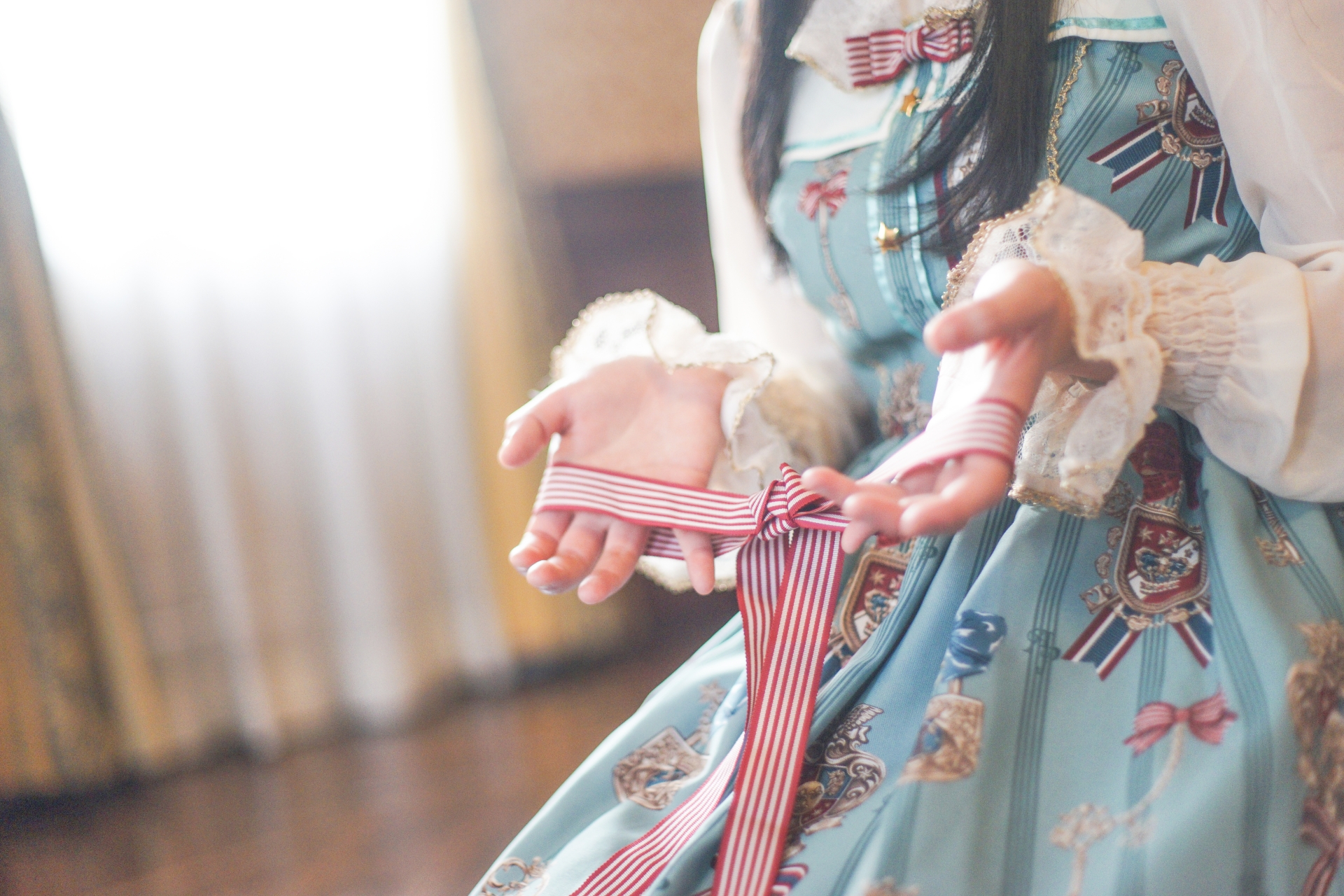
Japanese cosplay is deeply connected to photography culture. Backgrounds, lighting, seasonal scenery, editing style, pose accuracy, and emotional atmosphere are all important.
A cosplay photo often tries to recreate a feeling from anime or manga, not only a costume.
This is why Japanese cosplay photography often feels soft, cinematic, nostalgic, or emotionally atmospheric.
Doujin Culture and Cosplay
Cosplay is closely connected to doujin culture. Events such as Comiket allow fans, creators, cosplayers, photographers, and small circles to interact directly.
Cosplay photo books, fan merchandise, independent visual projects, and character-themed photography all exist inside this creative ecosystem.
This makes cosplay feel community-based rather than purely commercial.
Why Japanese Cosplay Often Feels Softer
Compared to some western cosplay culture, Japanese cosplay often feels less aggressive and less performance-oriented.
Instead of emphasizing dominance or direct sexuality, it may emphasize:
- soft expressions
- cute poses
- shyness
- character accuracy
- emotional atmosphere
- nostalgic feeling
- kawaii beauty
This softer emotional presentation is deeply connected to wider Japanese visual culture.
Cosplay and Social Media
Modern cosplay culture is also shaped by social media. Platforms such as X, Instagram, TikTok, and photo-sharing communities allow cosplayers to build audiences and connect globally.
However, social media also creates pressure: beauty standards, body image anxiety, comparison culture, and visibility competition.
Even so, cosplay remains an important emotional outlet and creative space for many people.
How Cosplay Connects to Gravure
Japanese gravure and cosplay sometimes overlap visually. Both often use soft lighting, cute presentation, seasonal scenery, emotional atmosphere, and personality-focused photography.
The goal is often not only physical attraction, but emotional imagination and visual mood.
This helps explain why Japanese cosplay photography can feel emotionally softer and more atmospheric than some western glamour photography.
How Cosplay Connects to Japanese Adult Media
Some Japanese adult media also borrows from cosplay culture: character fantasy, role-playing, emotional archetypes, cute presentation, and scenario-based storytelling.
This connection exists because Japanese media culture strongly values emotional fantasy and character identity.
Understanding cosplay helps explain why some Japanese adult media feels character-driven, emotionally soft, or fantasy-oriented compared to western adult media.
Why International Audiences Find Japanese Cosplay Unique
International audiences often notice that Japanese cosplay feels unusually emotional, atmospheric, and character-focused.
Instead of simply presenting attractive costumes, Japanese cosplay frequently tries to recreate the emotional world surrounding a character.
That emotional world — softness, loneliness, nostalgia, awkwardness, cuteness, fantasy, and emotional attachment — is one of the most Japanese parts of cosplay culture.
Final Thoughts
Japanese cosplay feels more cute than sexy because it is deeply connected to kawaii culture, anime fandom, emotional storytelling, self-expression, and character attachment.
Once you understand these emotional foundations, it becomes easier to understand Japanese anime, idols, gravure, doujin culture, and the softer emotional atmosphere found throughout Japanese visual culture.