
Fashion Guide
The Rise and Fall of Gyaru Culture
Understanding Shibuya fashion, ganguro, kogal, rebellion, beauty standards, and why gyaru became one of Japan’s most iconic youth cultures.
Gyaru culture was one of the most visually powerful youth movements in Japan. It was loud, confident, colorful, rebellious, and deeply connected to Shibuya.
Tanned skin, bright hair, strong makeup, long nails, short skirts, platform shoes, mobile phones, magazines, and energetic street fashion all became part of the gyaru image.
To understand Japanese youth culture, beauty standards, fashion, idols, anime characters, and even some visual ideas in gravure, it is important to understand gyaru culture.
What Was Gyaru Culture?
Gyaru was a Japanese youth fashion and lifestyle culture that became especially visible from the 1990s through the 2000s.
The word is connected to the English word “gal,” but in Japan it became something much more specific: a bold, fashionable, youth-centered identity that often pushed back against traditional ideas of Japanese femininity.
Gyaru culture was not only about appearance. It was about attitude, friendship, nightlife, shopping, dating, self-expression, and the desire to be seen.
Shibuya Style
Shibuya became the symbolic center of gyaru fashion, music, shopping, and youth energy.
Rebellion
Gyaru challenged quiet, pale, modest, and obedient images of Japanese femininity.
Strong Makeup
Eye makeup, false lashes, bright hair, nails, and dramatic styling became key visual elements.
Group Identity
Gyaru was also about friendship groups, shared fashion language, magazines, and street community.
Why Gyaru Was So Rebellious
Traditional Japanese beauty often valued pale skin, black hair, modest behavior, politeness, and soft femininity.
Gyaru pushed against that image. Many gyaru styles used tanned skin, dyed hair, heavy makeup, flashy clothes, long nails, and bold attitudes.
This made gyaru culture feel rebellious because it openly rejected the idea that young women should look quiet, pure, or socially obedient.
Ganguro and the Extreme Side of Gyaru
Ganguro was one of the most extreme and internationally recognizable forms of gyaru culture.
It often involved deep tans, bleached hair, white eye makeup, strong contrast, platform shoes, and highly visible styling.
To many people, ganguro looked shocking. But culturally, it was important because it strongly rejected mainstream beauty standards, especially the traditional value placed on pale skin and quiet femininity.
Kogal and Schoolgirl Fashion
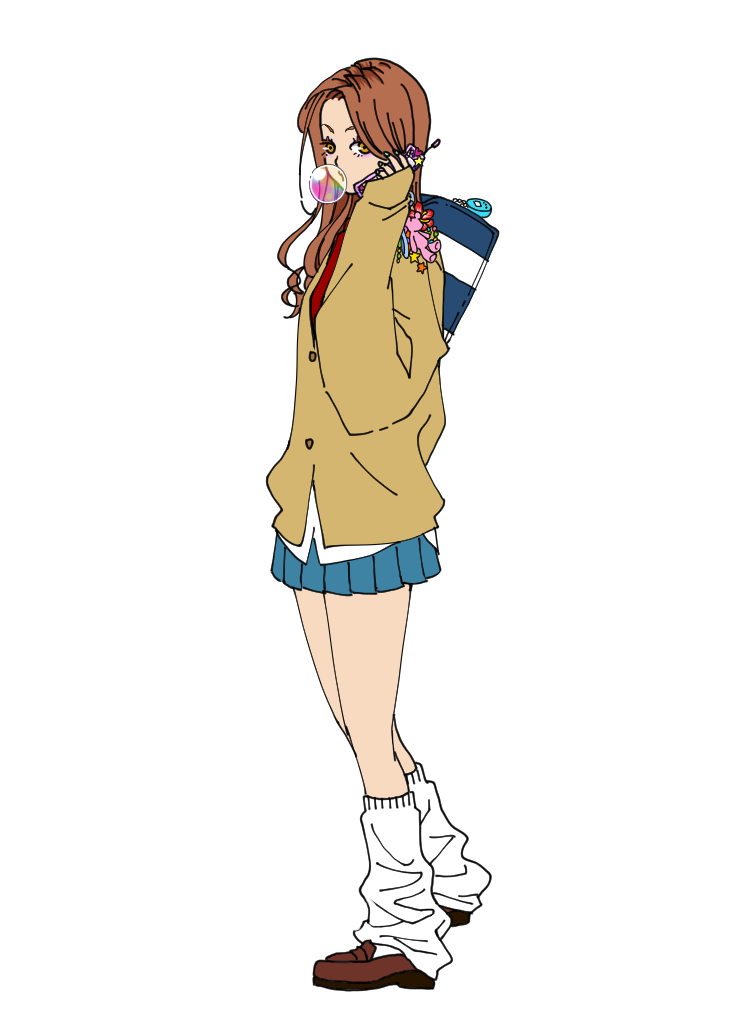
Kogal culture was another important part of the gyaru world. It was associated with high school girl fashion, loose socks, short skirts, school uniforms, dyed hair, mobile phones, and Shibuya youth culture.
Kogal style became highly visible in magazines, television, street photography, and youth media.
It also influenced how Japanese pop culture represented schoolgirls, youth confidence, rebellion, and urban teen life.
The Role of Shibuya 109
Shibuya 109 became one of the most iconic fashion buildings connected to gyaru culture. It was not only a shopping center, but a symbol of trend-making youth fashion.
Young women visited Shibuya to shop, meet friends, copy styles from magazines, discover new brands, and participate in a visible street culture.
In this period, Shibuya felt like a place where youth fashion was being created in real time.
Magazines, Mobile Phones, and Youth Media
Gyaru culture spread through fashion magazines, street snaps, mobile phone culture, music, television, and word of mouth.
Before modern social media became dominant, magazines played a huge role in defining what looked fashionable, desirable, rebellious, or cool.
Gyaru culture was also closely tied to mobile phones, texting, decorated phones, photo booths, and the visual communication habits of young people at the time.
Why Gyaru Became Less Visible
Over time, the most extreme forms of gyaru became less visible in mainstream youth culture.
Beauty trends shifted toward pale skin, clear skin, softer makeup, smaller faces, slim body lines, natural colors, Korean beauty influence, and social-media-friendly styling.
Shibuya also changed through redevelopment, commercialization, tourism, and global branding. The older chaotic youth street feeling became harder to find.
Did Gyaru Really Disappear?
Gyaru culture did not completely disappear. It became smaller, more nostalgic, more specialized, and sometimes revived through fashion cycles, social media, retro interest, and younger fans rediscovering older styles.
Some gyaru-inspired looks still appear in fashion, makeup, anime characters, idols, cosplay, and online aesthetics.
The mainstream may have moved away from extreme gyaru, but the attitude and visual impact remain part of Japanese pop culture.
Gyaru and Japanese Beauty Standards
Gyaru is important because it shows that Japanese beauty culture is not one simple thing.
Japan is often associated with pale skin, soft makeup, modest behavior, and kawaii femininity. Gyaru challenged that image through confidence, tanning, bold fashion, and visible self-expression.
This contrast helps explain why Japanese beauty culture feels so complex: softness and rebellion have both existed side by side.
How Gyaru Influenced Anime and Manga
Gyaru characters became a recognizable type in anime and manga. They are often shown with dyed hair, strong fashion sense, social confidence, playful language, and bold emotional energy.
Sometimes gyaru characters are used as symbols of rebellion, warmth, extroversion, hidden kindness, or contrast against shy characters.
This is why gyaru remains powerful as a character archetype even after the street culture itself became less dominant.
How Gyaru Connects to Cosplay
Gyaru culture also influenced cosplay through makeup, hair styling, character attitude, and fashion performance.
Some cosplayers use gyaru-inspired looks to express confidence, playfulness, brightness, or rebellious femininity.
Like cosplay, gyaru offered a way to become a different self — one that was louder, freer, and more visible than ordinary daily life allowed.
How Gyaru Connects to Gravure
Gravure often reflects different types of Japanese femininity: soft, shy, idol-like, mature, cute, innocent, sporty, fashionable, or rebellious.
Gyaru-style presentation brought a different energy: confidence, fashion, tanned skin, strong makeup, urban youth, and playful boldness.
Understanding gyaru helps explain why Japanese visual culture includes both soft kawaii femininity and more assertive fashion-based appeal.
How Gyaru Connects to Japanese Adult Media
Gyaru also became a recognizable fantasy type in Japanese adult media. This is partly because gyaru represented confidence, rebellion, urban youth culture, fashion, and social boldness.
In contrast to shy or innocent archetypes, gyaru characters and performers often suggest energy, extroversion, playful attitude, and visual intensity.
This shows how Japanese adult media often borrows from broader youth culture, fashion archetypes, anime character types, and social fantasies.
Why Gyaru Still Matters
Gyaru still matters because it represents a moment when Japanese youth culture openly challenged mainstream expectations.
It showed that young women could use fashion, makeup, skin tone, language, friendship, and attitude to create a powerful visual identity.
Even if the peak era has passed, gyaru remains one of the most important symbols of Japanese street fashion and youth rebellion.
Final Thoughts
Gyaru culture rose because it gave young women a bold way to express identity, confidence, rebellion, friendship, and fashion energy in a society that often valued restraint and softness.
Its decline shows how youth culture changes with beauty standards, redevelopment, social media, tourism, and global influence. Once you understand gyaru, it becomes easier to understand Japanese fashion, anime character types, cosplay, gravure, and the many different forms of femininity in Japanese visual culture.