
Idol Culture Guide
Why Japanese Fans Love Idol Culture
A guide to support, growth, loyalty, emotional connection, fan communities, and the unique warmth of Japanese idol live events.
Japanese idol culture is not only about technical skill, beauty, or celebrity status. Many fans enjoy watching performers grow over time, support them through events, and feel connected to a shared community.
Compared with many western pop stars, Japanese idols are often appreciated not only as polished artists, but also as developing personalities. Effort, awkwardness, sincerity, cuteness, and gradual improvement can become part of the appeal.
This culture also influences VTubers, anime voice actors, gravure idols, stage performers, and many other parts of Japanese entertainment.
Example Idol-Style VTuber Video
VTuber concerts, singing streams, and group events often show how modern VTuber culture is connected to Japanese idol culture.
Supporting Growth
Fans often enjoy watching idols improve step by step. The process of growth can feel as important as the final performance.
Emotional Loyalty
Fans may support the same performer for years. This long-term connection creates strong emotional attachment.
Community Feeling
Idol fandom is often social. Fans share reactions, attend events, use fan names, and feel part of a larger group.
Cute and Approachable
Japanese idol culture often values charm, effort, friendliness, and cuteness as much as technical perfection.
Why Japanese Idols Are Different From Western Pop Stars
In many western entertainment industries, female pop stars are often expected to appear after reaching a high level of professional polish. Singing, dancing, acting, visual presentation, and stage control are usually expected to be strong from the beginning.
Japanese idols can be different. Of course, many idols are highly trained and talented. But Japanese idol culture also allows room for performers who are still developing, unstable, shy, awkward, or imperfect.
This does not mean Japanese idols are “low quality.” Rather, the standard of attraction is different. A fan may enjoy singing and dancing, but also be drawn to a performer’s facial expression, nervousness, clumsy movement, funny mistake, honest effort, or personality.
In Japanese fandom, words like moe, kyun, or dojikko can describe this feeling: a small weakness or awkward charm that makes a fan want to smile, support, or protect someone.
The Appeal of Imperfection
One important point is that technical skill is not always the main condition for becoming loved. Some fans value strong singing or dancing, but many fans also respond to growth, warmth, visual charm, sincerity, and personality.
A slightly awkward idol can feel more approachable than a perfectly distant star. A nervous smile can feel more memorable than flawless confidence. A small mistake can become a beloved moment because it reveals the person behind the performance.
This is one of the reasons Japanese idol culture can feel strange to outsiders. The audience is not always looking only for the best singer or dancer. Sometimes they are looking for someone they want to support.
What an Idol Concert Feels Like
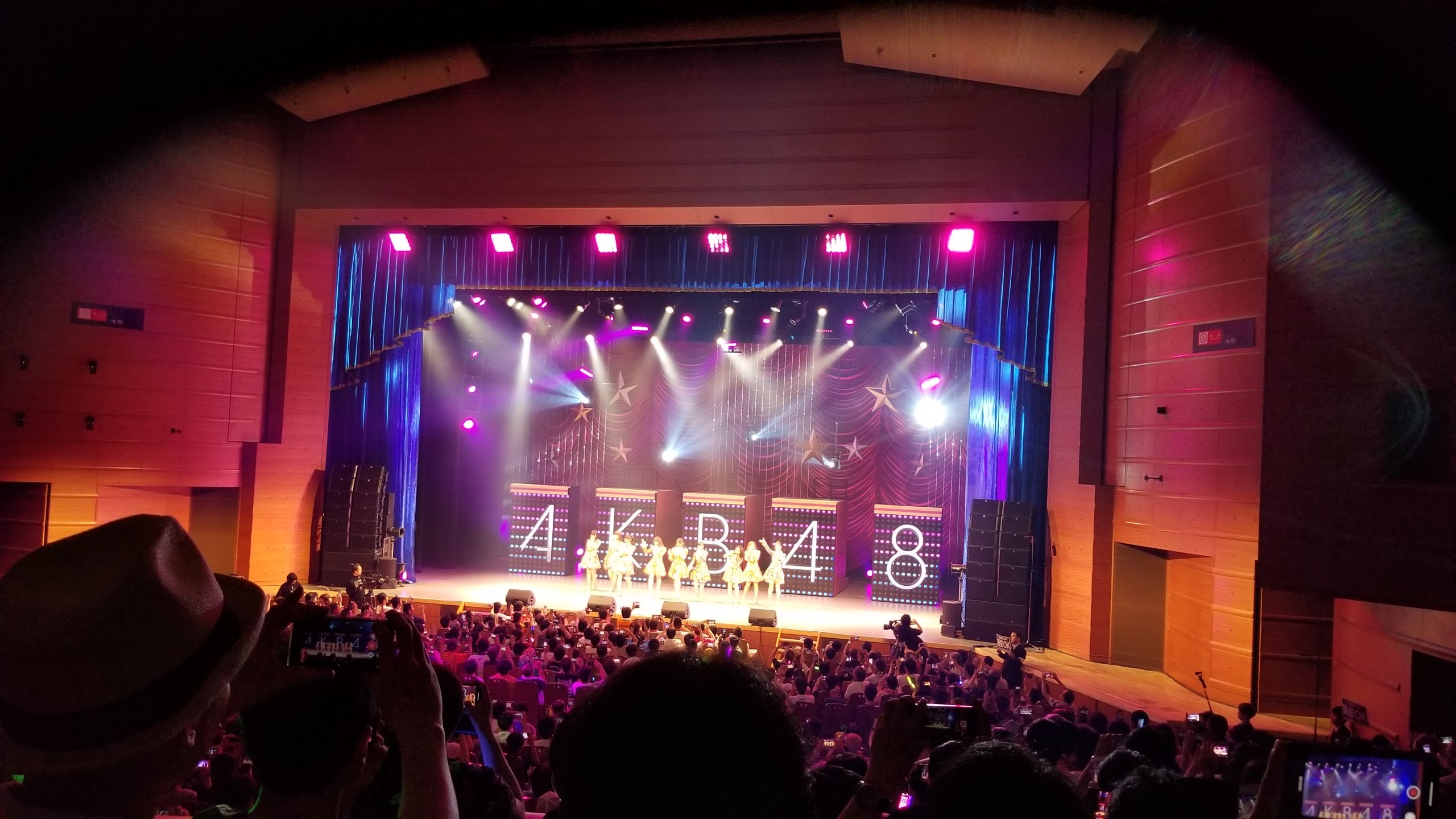
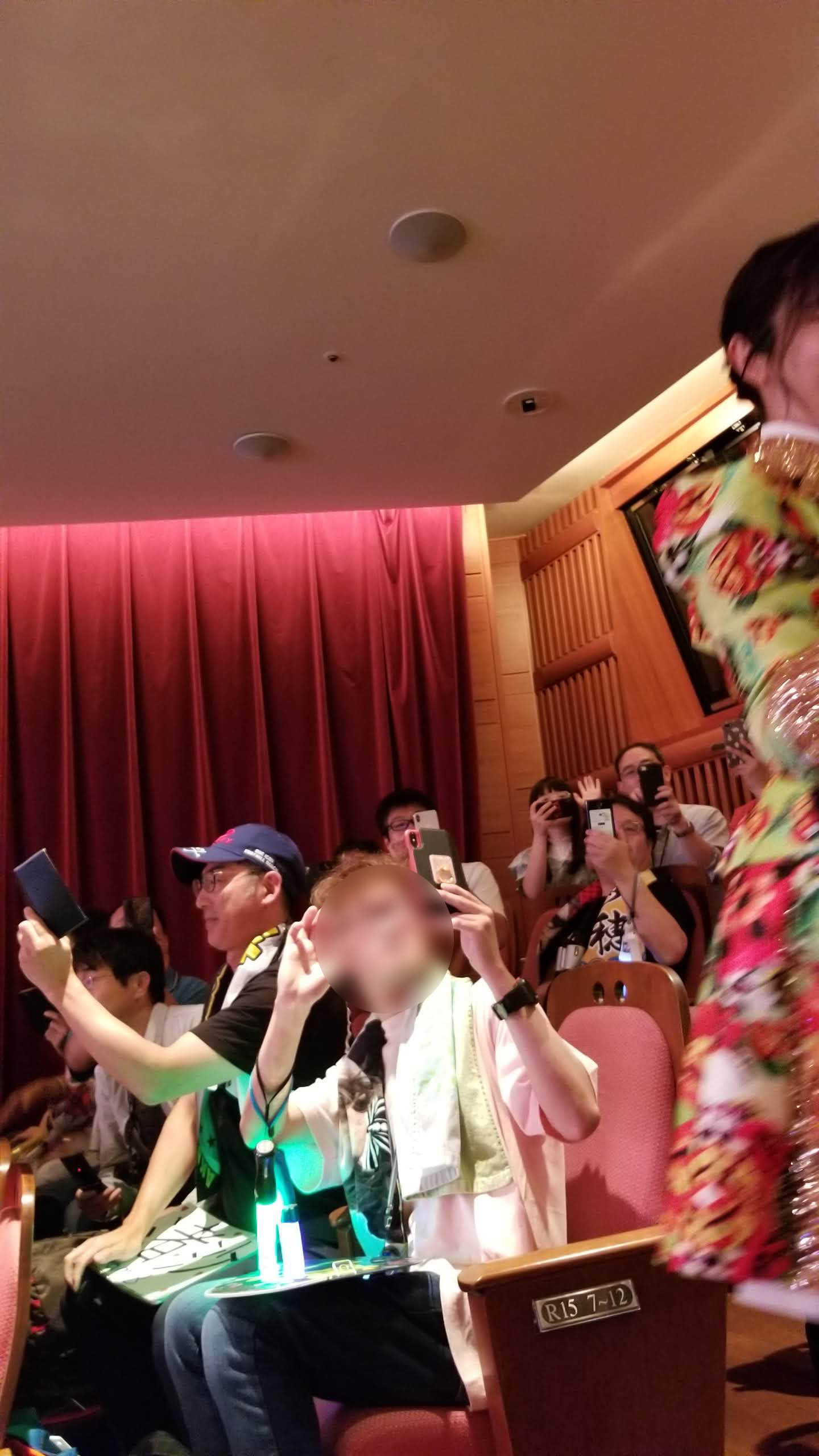
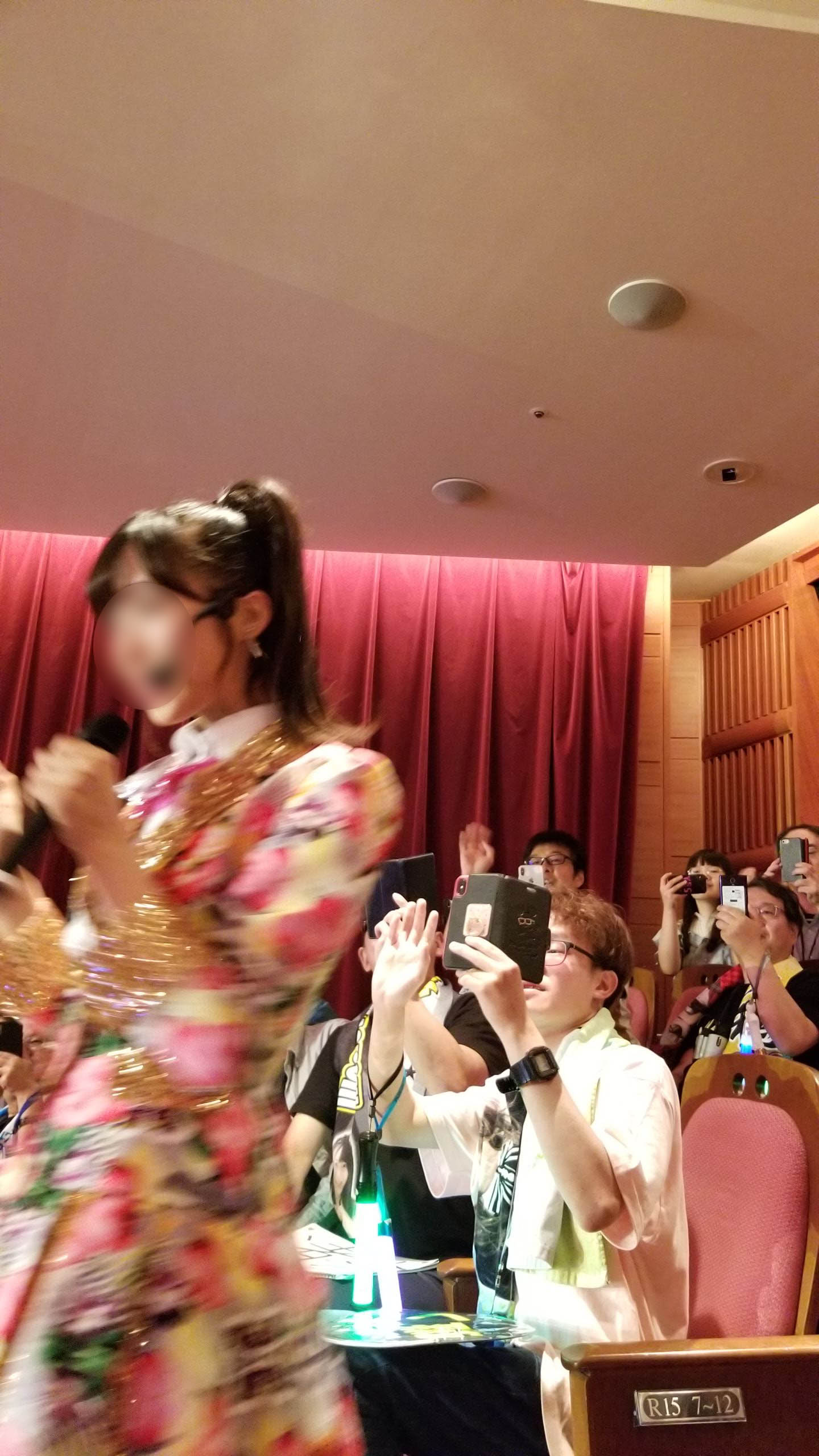
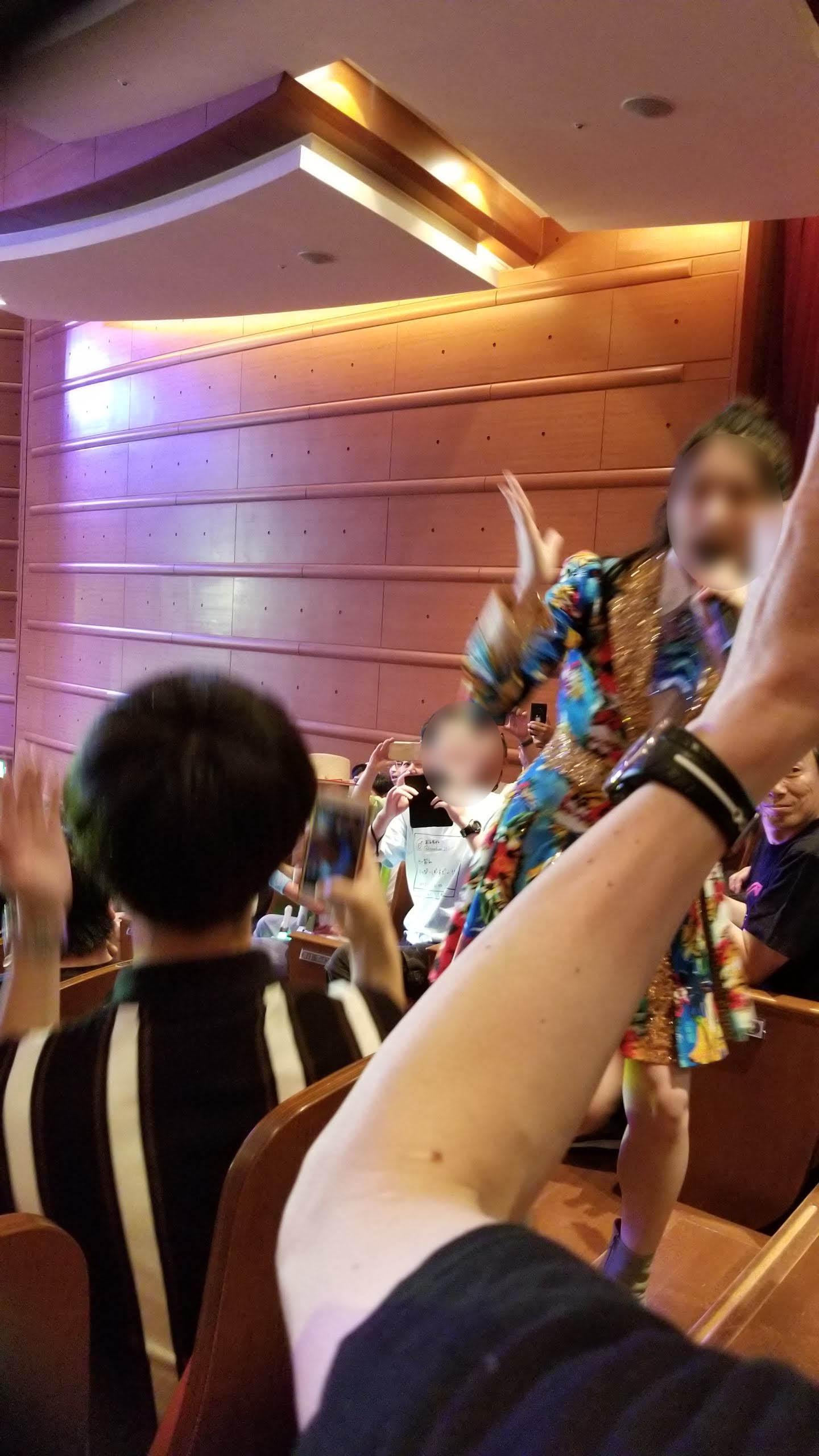
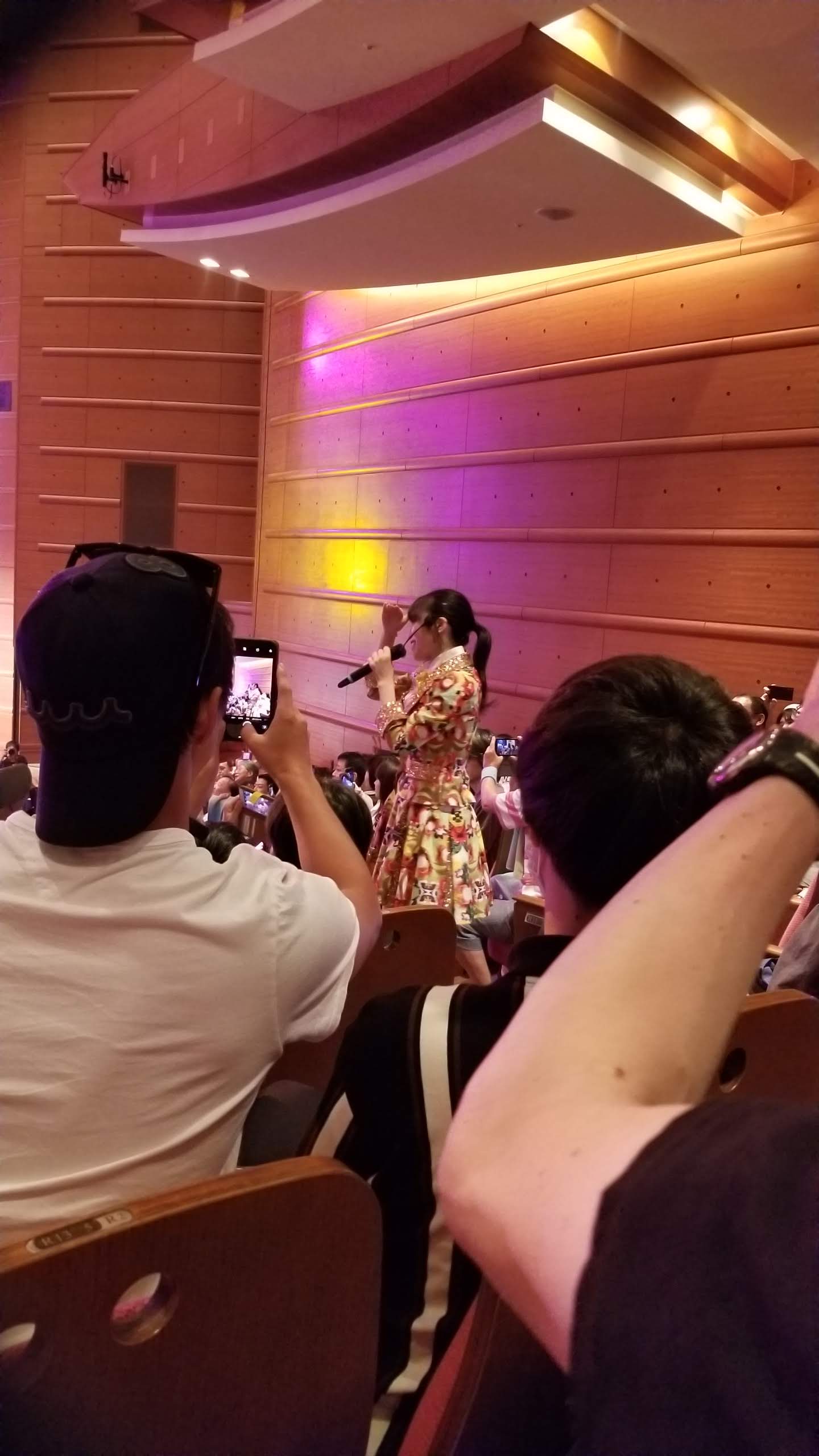
From my own experience attending idol live events, the atmosphere can feel surprisingly warm. It is not only a place where people quietly judge the quality of songs and dance routines.
The fans often feel like a supportive community. At times, the atmosphere can almost feel like a family or a group of relatives watching someone they care about on stage.
You can feel the emotional heat of each fan. They are not only consuming a performance. They are cheering, watching over, reacting, remembering, and participating in the moment.
This does not mean the performance itself is weak. The singing, dancing, staging, and timing usually meet a level that is enjoyable as entertainment. But on top of that, fans are also responding to the personality, effort, and emotional story of the performers.
Photo Essay: The Atmosphere of an AKB Live Event
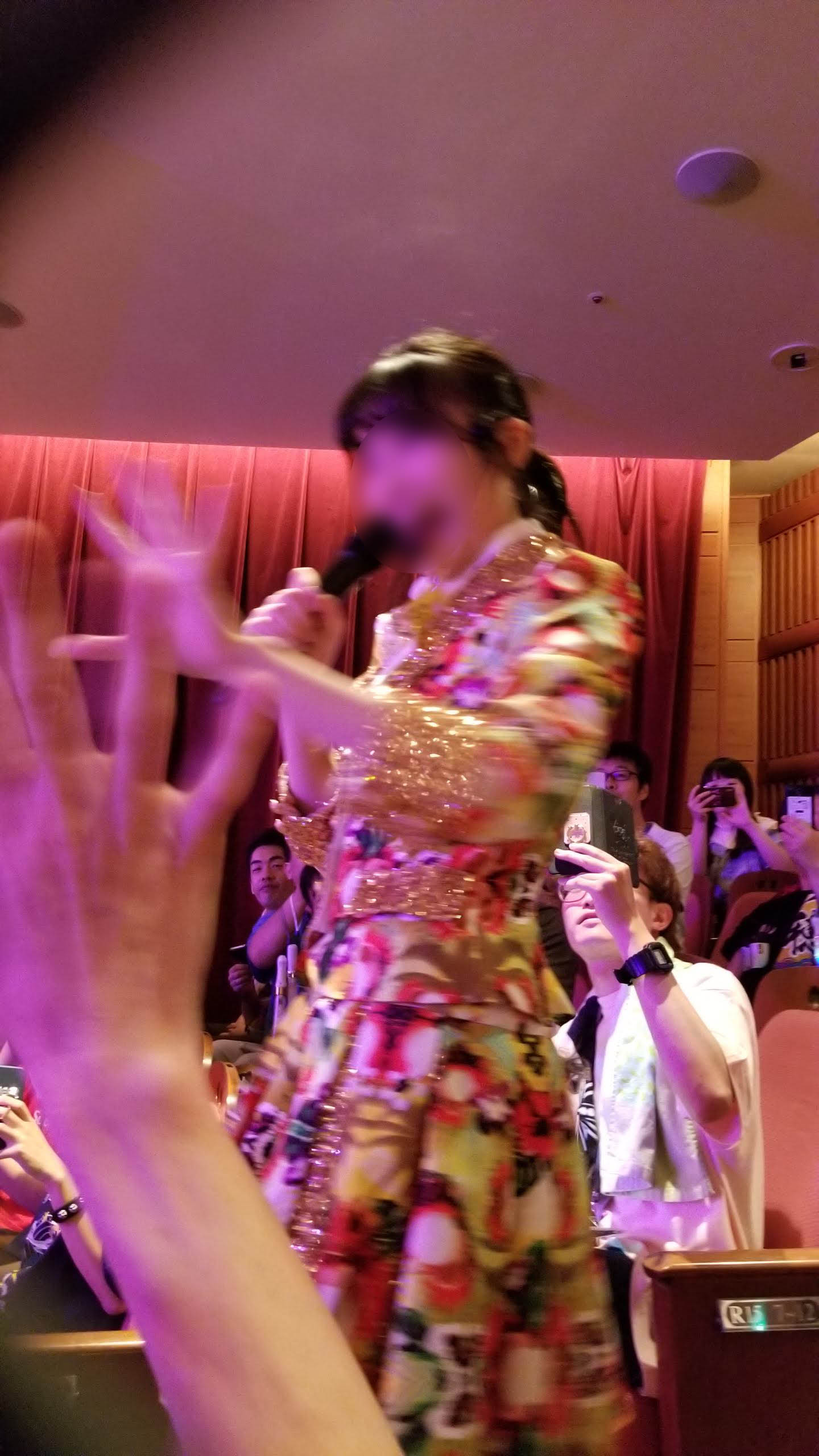
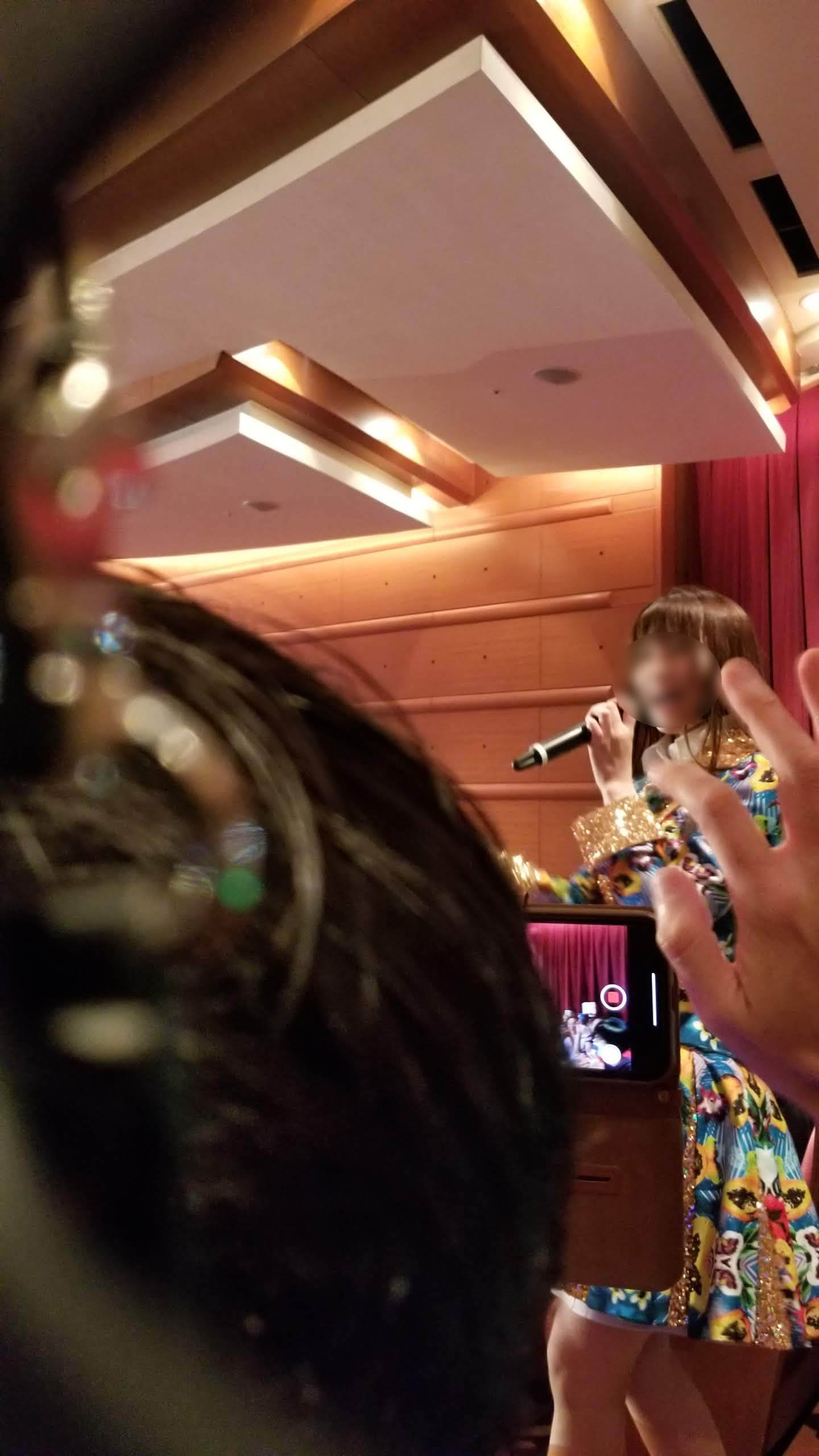
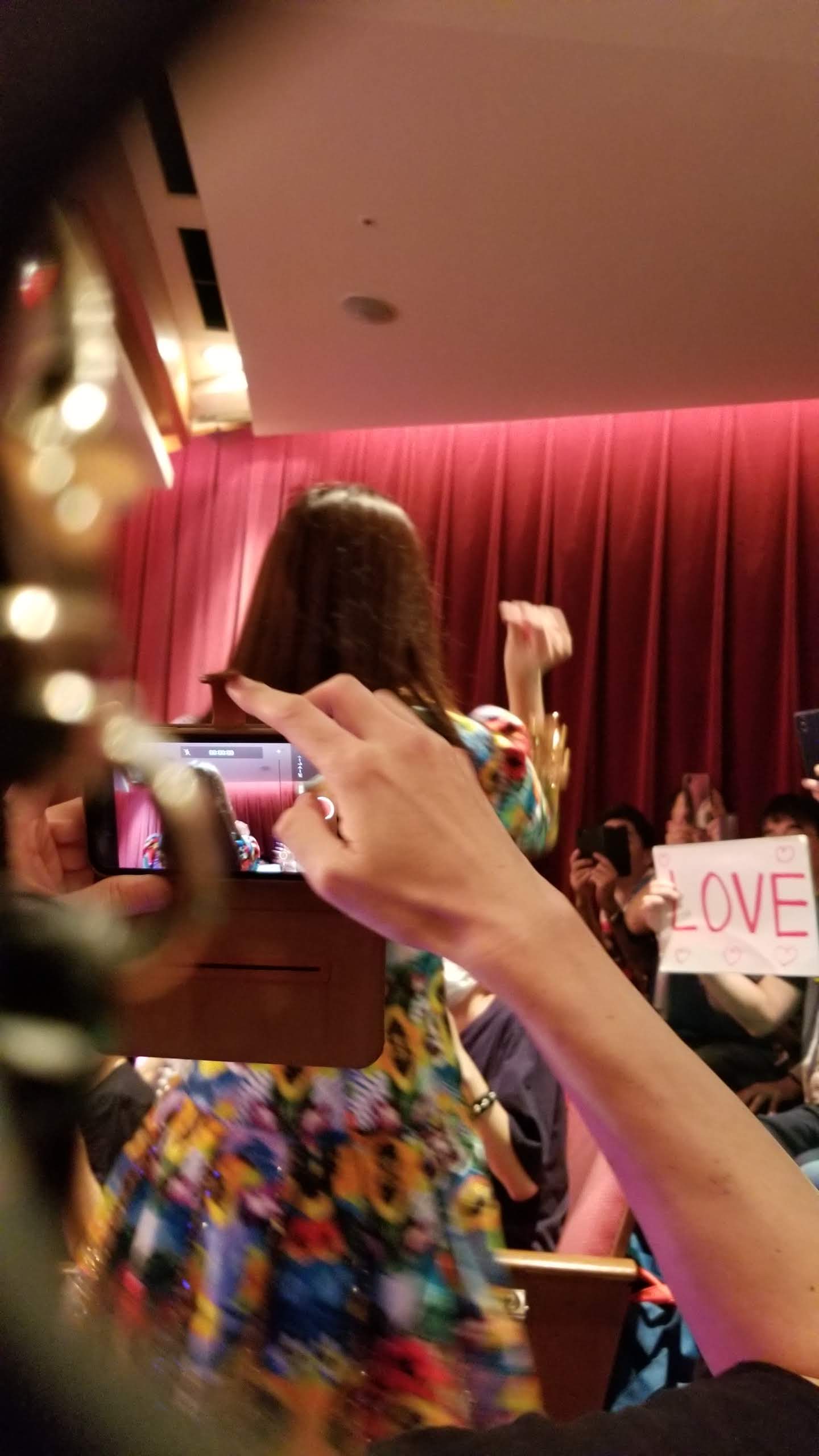
The following photos were taken by the author at an idol live event. They are not meant to show individual members closely, but to show the atmosphere: the stage, the lights, the distance between fans and performers, and the shared energy of the venue.

Idol Culture Begins Before the Show
Idol fandom is not only something that happens inside the concert venue. The atmosphere often begins outside: tour trucks, banners, queues, towels, uniforms, fan goods, photos, and people waiting together before the show.
At large concerts such as Nogizaka46 events, the area around the venue can already feel like a temporary fan city. Fans gather early, take photos, look for goods, meet friends, and slowly build the emotional energy before the performance begins.
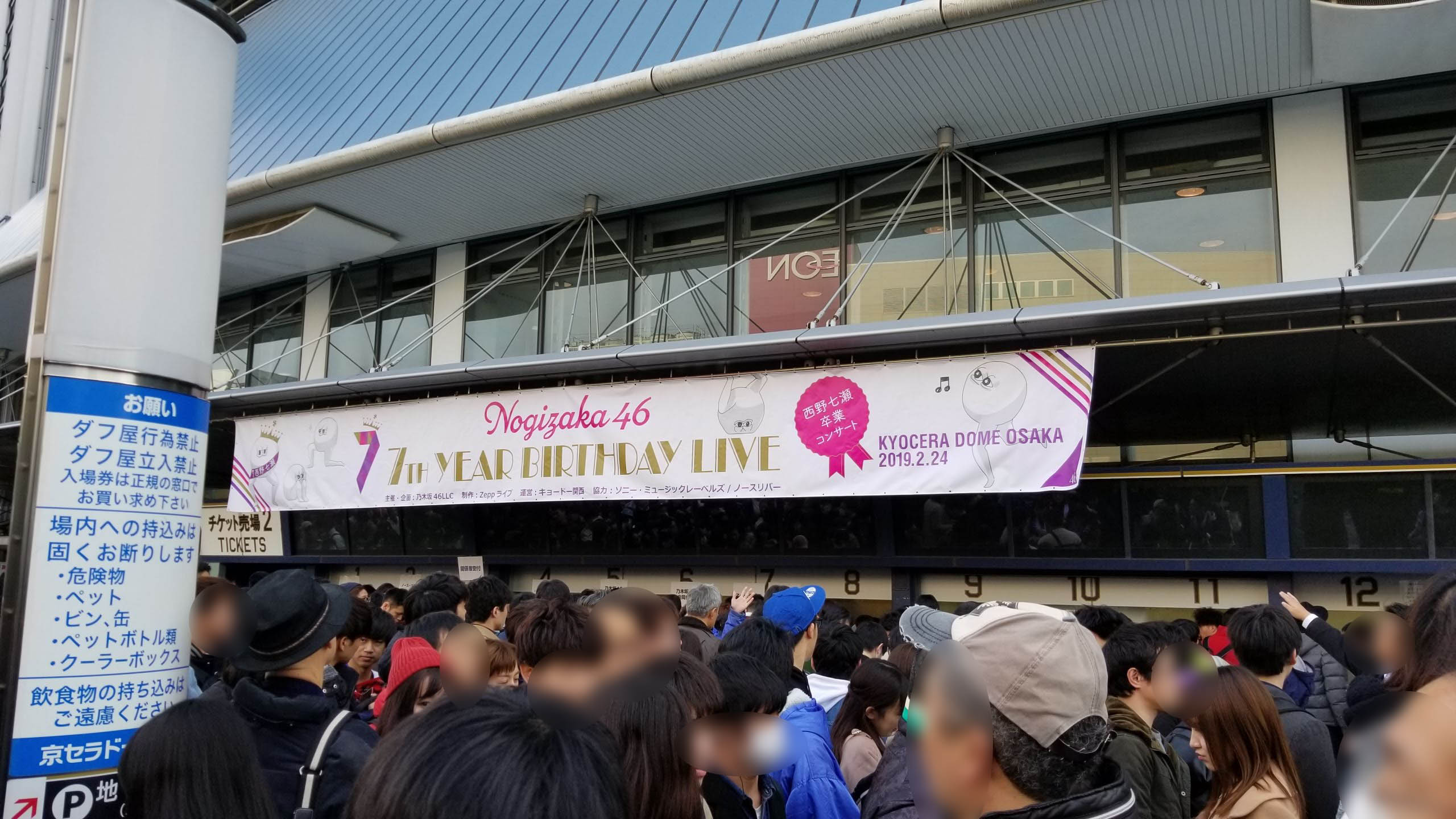
Photo by the author.
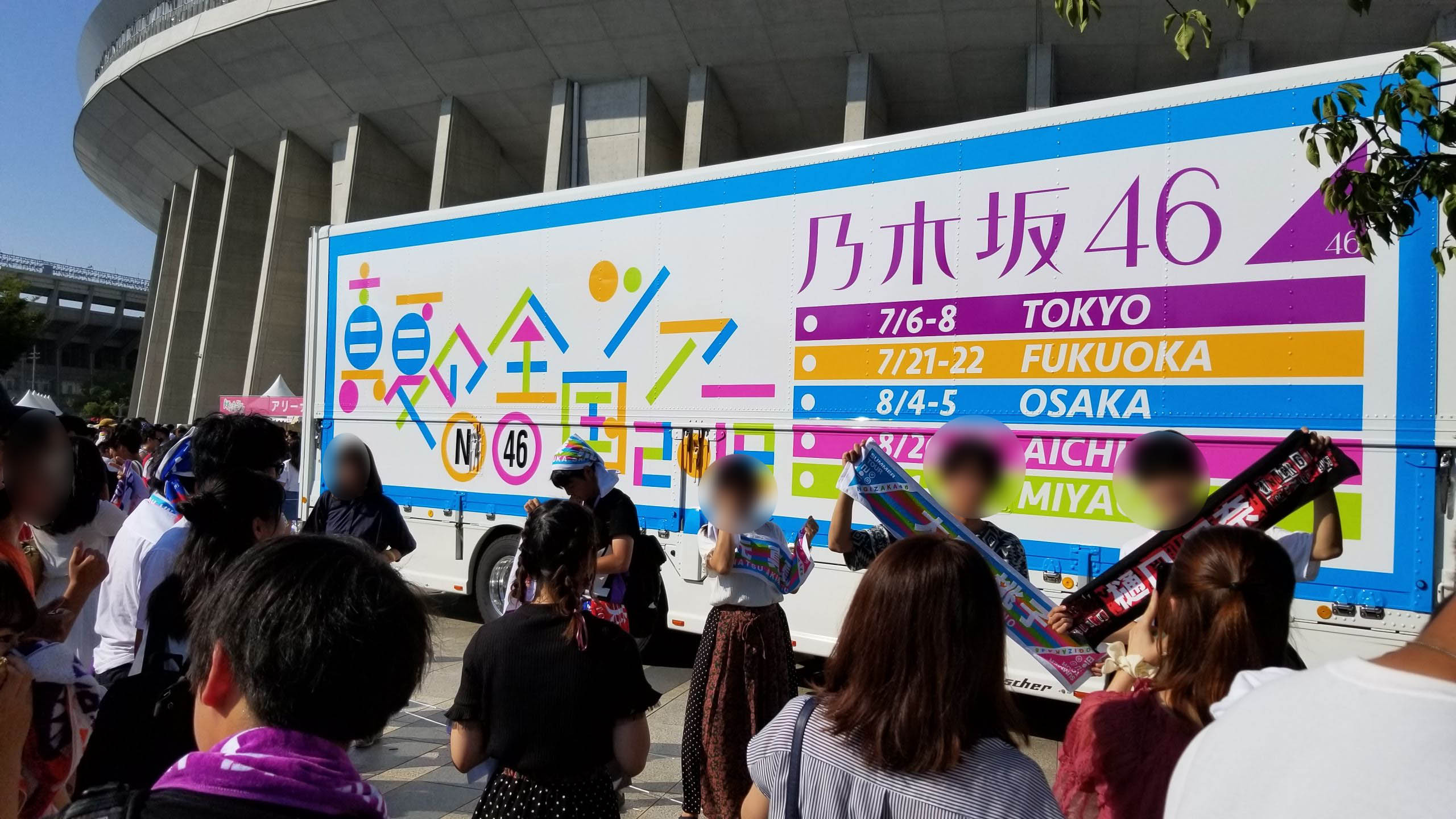
Photo by the author.
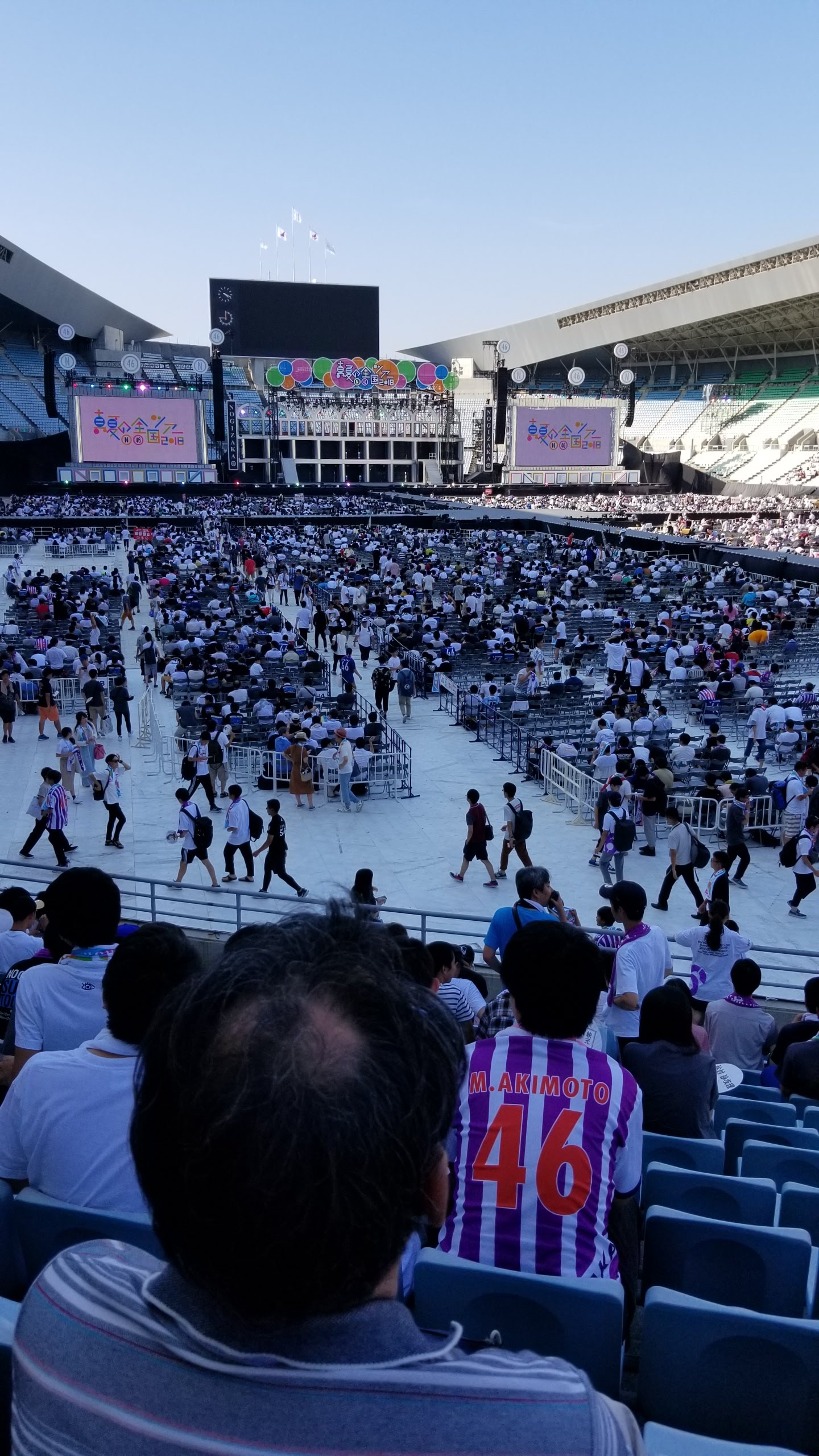
Photo by the author.
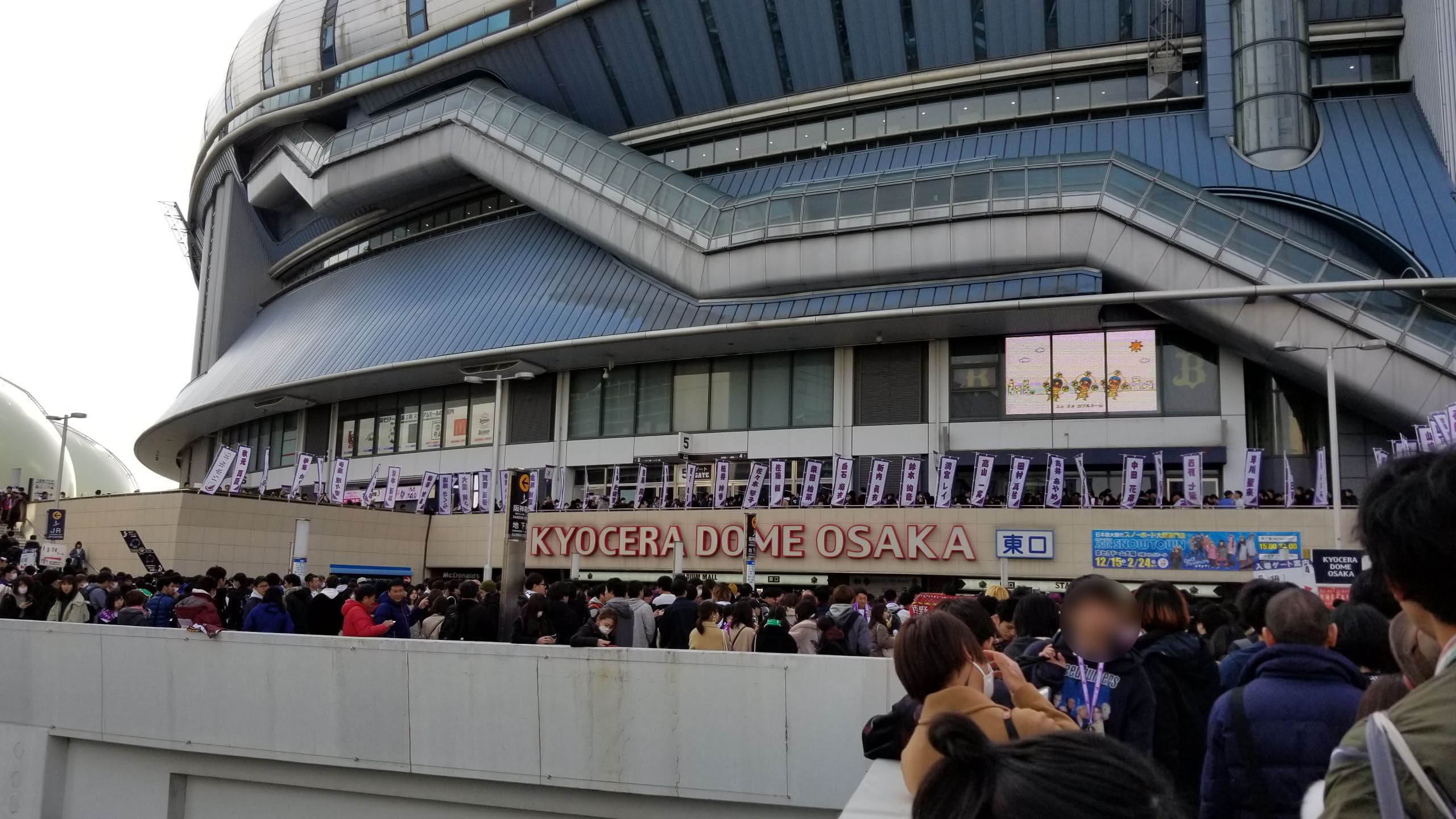
Photo by the author.
Why Effort Matters
In many parts of Japanese entertainment, effort is part of the appeal. Fans do not only admire a polished star; they also enjoy seeing practice, nervousness, improvement, and sincerity.
This is one reason idol culture can feel different from celebrity culture. The story of becoming better is often part of what fans support.
For some fans, the most moving moment is not when an idol performs perfectly. It is when she tries hard, makes progress, and shows that she is still growing.
Idol Culture Around The City
In Japan, idol-like entertainment is not limited to concert venues or television. It appears in posters, event advertisements, collaboration goods, anime shops, voice actor events, stage performances, and otaku districts.
Places like Osaka’s Nipponbashi show how idol culture, anime culture, voice actor culture, VTubers, stage performances, and 2.5D entertainment often exist side by side.
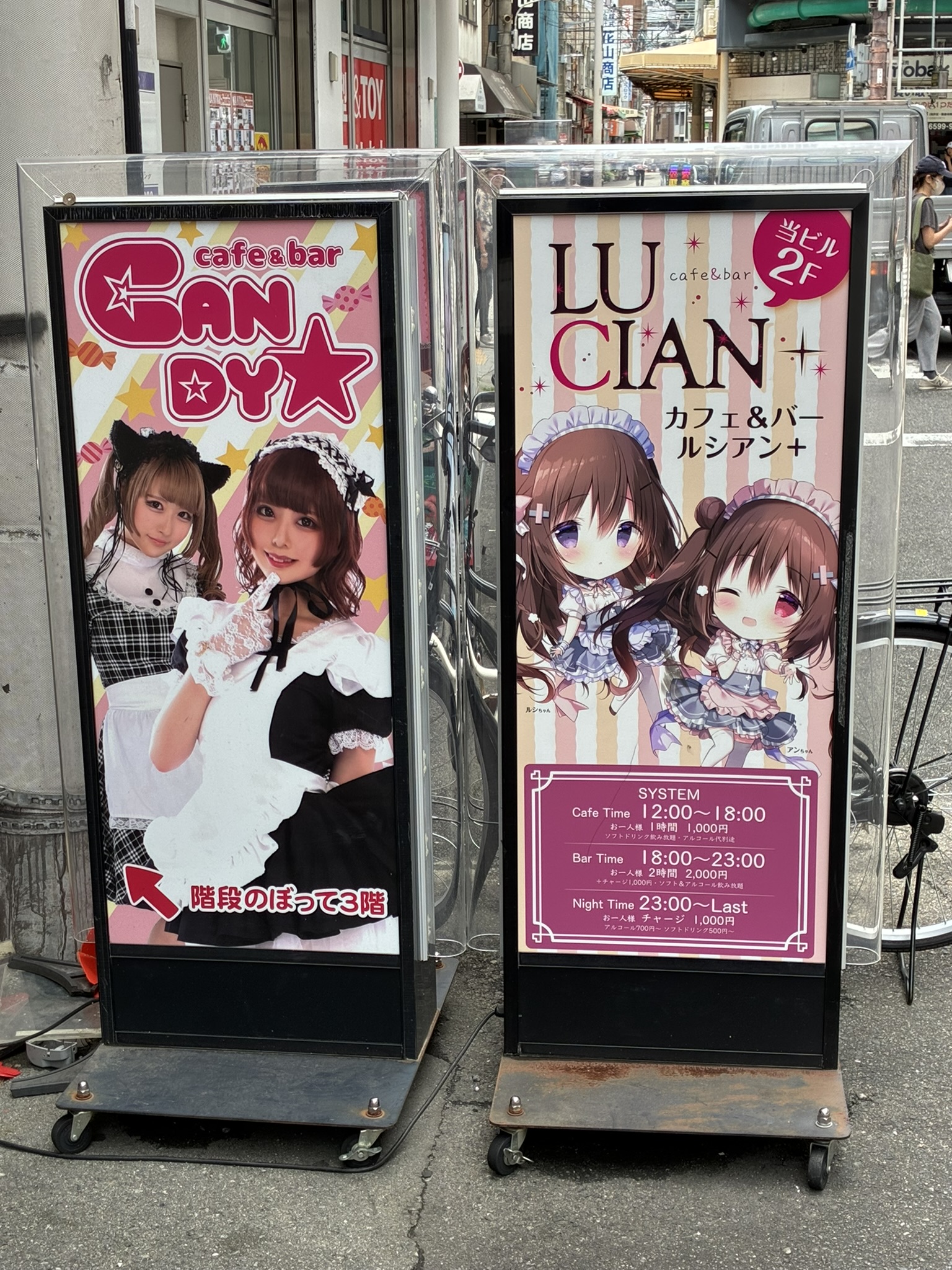
Photo by the author.
How This Connects to VTubers
Many VTubers use idol-like elements: singing, concerts, fan names, group units, anniversary events, and emotional messages to fans. This is one reason VTuber culture can feel deeper than ordinary streaming.
The same emotional structure appears again and again: fans choose someone to support, follow their growth, celebrate milestones, and feel connected to a wider community.
In a way, VTubers transformed idol culture into a virtual livestream format. Fans still support growth, effort, personality, and emotional connection — even when the performer appears through an anime-style avatar.
Personal Perspective
From my own experience attending idol live events, I feel that Japanese idol culture is not simply about watching skilled performers from a distance.
The atmosphere can be very warm. Fans often seem to watch the performers almost like family members or close supporters. The venue is filled with a feeling of encouragement rather than cold evaluation.
Of course, the singing and dancing are important. The performance must still be enjoyable. But many fans are also moved by personality: a shy smile, awkward charm, honest effort, funny mistakes, improvement over time, and the feeling that the performer is doing her best in front of them.
This may be one reason Japanese idol culture can feel so different from western pop culture. The fan is not only asking, “Is she already perfect?” The fan may also be asking, “Do I want to support her journey?”
日本語付録:私見としての補足
日本のアイドル文化が海外の女性アーティスト文化と大きく違う点は、必ずしも最初から完成された歌唱力・ダンス力・演技力だけで評価されるわけではないという点だと思います。
もちろん日本のアイドルにも、高い技術を持った人はたくさんいます。ただ、それと同時に、未熟さ、発展途上感、不安定さ、ぎこちなさ、コミカルさ、支えたくなる雰囲気といったものも、魅力として受け入れられる土壌があります。
ファンは単に「完成されたスター」を見たいだけではなく、「成長していく姿」「頑張っている姿」「少し不器用だけれど応援したくなる姿」に惹かれている場合があります。いわゆる「萌える」「きゅんとする」「ドジっ子」的な感覚も、その一部だと思います。
実際にライブ会場へ行くと、ファンの空気はとても温かく、家族や親戚のように見守りながら応援しているように感じることがあります。歌やダンスをただ鑑賞するというより、会場全体で彼女たちを支えているような空間です。
ただし、これはパフォーマンスが低レベルだという意味ではありません。歌やダンス、ステージ構成は十分に楽しめる水準にあり、そのうえでタレント的な魅力や成長物語が重なっているからこそ、ファンは強く惹かれるのだと思います。
Original photographs by the author. Visible faces in live event photos have been obscured for privacy.
Final Thoughts
Japanese fans love idol culture because it creates a long-term emotional story. Growth, effort, loyalty, cuteness, imperfection, and community are all central to the experience.
The idol is not always loved because she is already perfect. Sometimes she is loved because fans want to watch her become stronger.
This is why idol culture continues to influence many parts of Japanese media, from live performers to voice actors, VTubers, anime projects, gravure idols, and fan communities.