
VTuber Culture Guide
Why Hololive Became Global
A guide to VTuber idols, overseas fandom, English-speaking talent, music, memes, and global fan culture.
Hololive became global because it connected Japanese idol culture with internet streaming culture. It offered viewers cute characters, strong personalities, music, gaming, comedy, and emotional fan communities.
For many overseas fans, Hololive was not only entertainment. It became an entry point into Japanese online culture.
Example Hololive Video
A short official video or stream clip can help readers understand how Hololive presents talent, character design, music, and group identity.
Strong Characters
Each member has a memorable design, voice, personality, and fan identity. This makes it easy for viewers to find their favorite talent.
Global Memes
Funny moments, reactions, and translated clips helped Hololive spread quickly across YouTube, Reddit, X, and fan communities.
Music and Live Shows
Hololive is not only about streaming. Singing, concerts, original songs, and idol-like events helped create a stronger brand.
Hololive English
English-speaking members made Hololive much easier to understand for overseas audiences and helped expand the fandom.
Why Overseas Fans Connected With It
Hololive gave overseas viewers something familiar and unfamiliar at the same time. It felt like anime, livestreaming, idol fandom, and internet comedy combined into one format.
That mix made Hololive easy to enter, but difficult to reduce to a single category. It was not just a streaming group, not just an idol project, and not just anime-style entertainment.
Translation Clips Helped the Growth
Fan-translated clips played a major role in introducing Japanese-speaking members to global audiences. Many people first discovered Hololive through short translated moments rather than full streams.
These clips worked like small cultural bridges. They made jokes, reactions, emotional scenes, and member personalities easier to understand for viewers who did not speak Japanese.
From Online Streams to Real-World Fandom
Hololive’s global popularity also shows how VTuber culture can move beyond the screen. Fans do not only watch streams. They collect goods, follow events, share clips, support music releases, and recognize members as part of a larger emotional world.
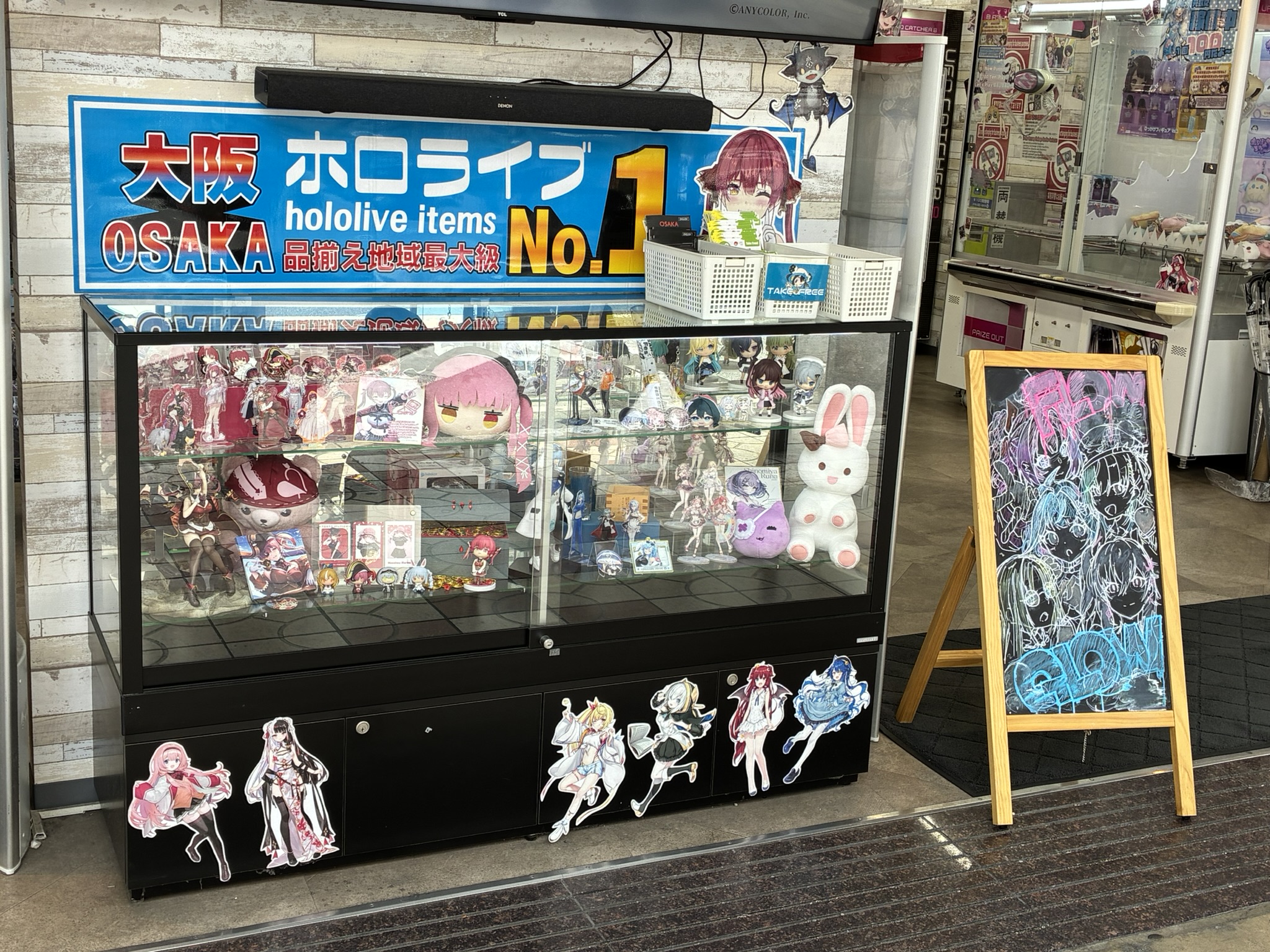
Photo by the author.
For international visitors, seeing Hololive goods in Japanese otaku districts can make the scale of the fandom feel more concrete. What begins as a livestream can become music, merchandise, events, community identity, and a physical presence in the city.
Why Hololive Became More Than A Trend
Hololive became global because it gave fans many ways to stay emotionally connected. Viewers could enjoy comedy, songs, games, translated clips, group events, concerts, and everyday livestreams.
This variety made the fandom stable. Even if one viewer entered through a meme, another through music, and another through an English-speaking member, all of them could eventually discover the wider Hololive world.
Final Thoughts
Hololive became global because it turned VTubing into a rich entertainment culture: cute characters, music, comedy, fan translation, English expansion, and emotional community all worked together.
Its success shows how Japanese VTuber culture can travel internationally while still keeping many of its idol-like, character-based, and emotionally supportive qualities.