
VTuber Culture Guide
Why Japanese VTubers Are Different
A guide to anime avatars, idol culture, cute performance, streaming style, and emotional fan connection.
Japanese VTubers can feel very different from ordinary streamers. They are not simply people hiding behind anime avatars. Many of them combine streaming, idol culture, voice acting, music, comedy, and character performance.
This makes Japanese VTubers feel closer to a mix of anime characters, online entertainers, singers, and idols.
Example VTuber Video
This kind of video can help viewers understand how personality, voice, character design, and performance work together in VTuber culture.
Anime Avatar
The avatar is not only a mask. It creates a character-like presence that feels close to anime and game culture.
Voice and Personality
Voice, reactions, jokes, and emotional timing are extremely important. Many VTubers build their charm through voice and atmosphere.
Idol Influence
Many Japanese VTubers are connected to idol-like activities such as singing, live concerts, fan support, and group identity.
Emotional Distance
The avatar creates both closeness and distance. Viewers can feel attached while still respecting the performer’s privacy.
More Than Streaming
Many Japanese VTubers do much more than gaming or chatting. They sing, perform in concerts, appear in collaborations, release music, and develop a long-term character identity.
This is why Japanese VTubers often feel closer to a media project than a single livestreaming account. Their activities can continue across songs, goods, events, concerts, and fan communities.
VTubers As Idol-Like Characters
One major difference is the influence of idol culture. Fans often support VTubers not only because a stream is funny or entertaining, but because they want to watch the performer grow over time.
Birthday events, anniversaries, concerts, original songs, group units, and merchandise all make VTubers feel connected to Japanese idol culture.
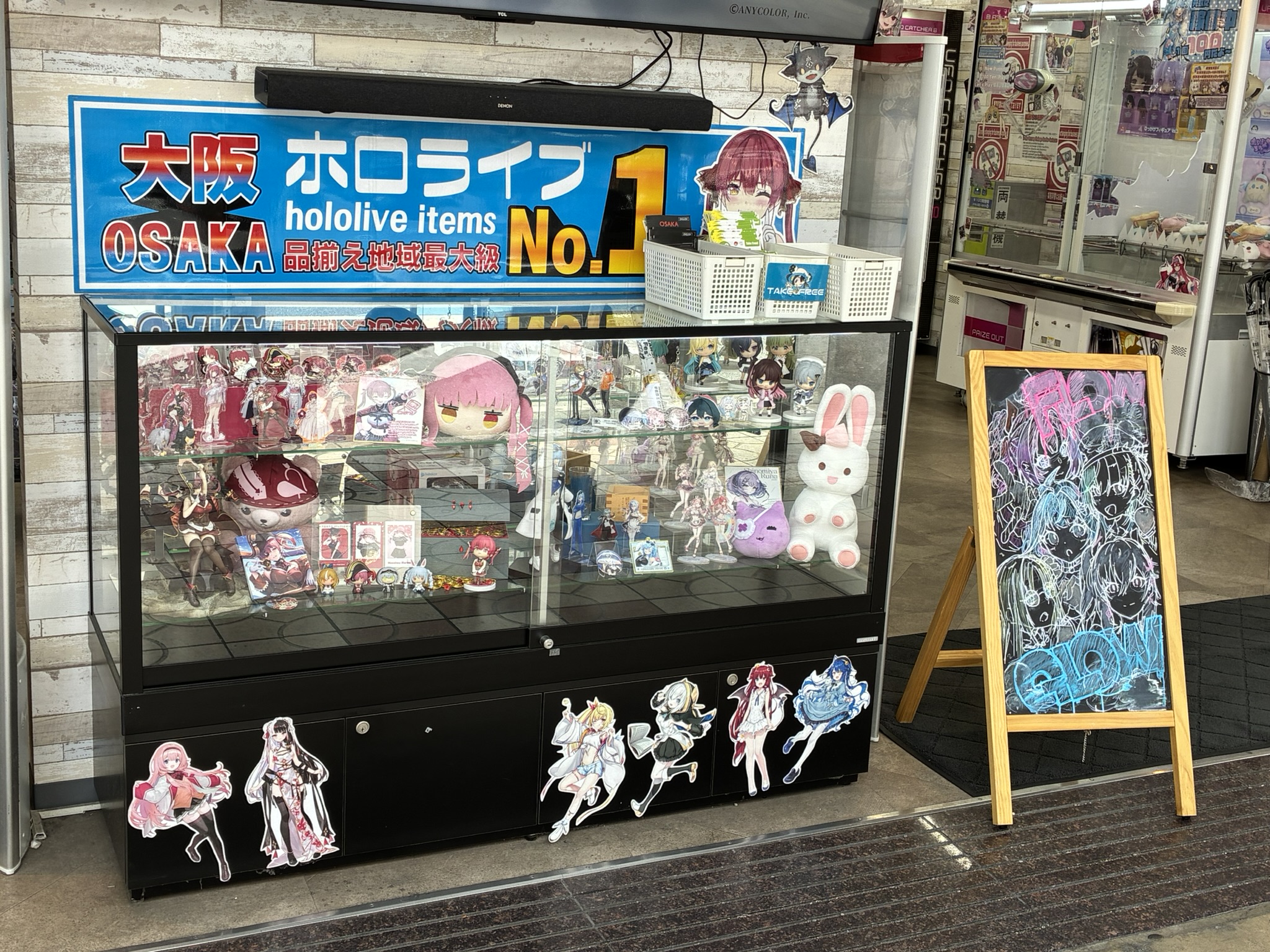
Photo by the author.
Why They Feel So “Japanese”
Japanese VTubers often reflect parts of Japanese media culture: cute voices, emotional restraint, group loyalty, seasonal events, idol-like support, and character-based storytelling.
They also show how Japanese fan culture can turn online entertainment into something more physical and long-lasting. Fans do not only watch streams; they collect goods, visit stores, follow events, and participate in shared community rituals.
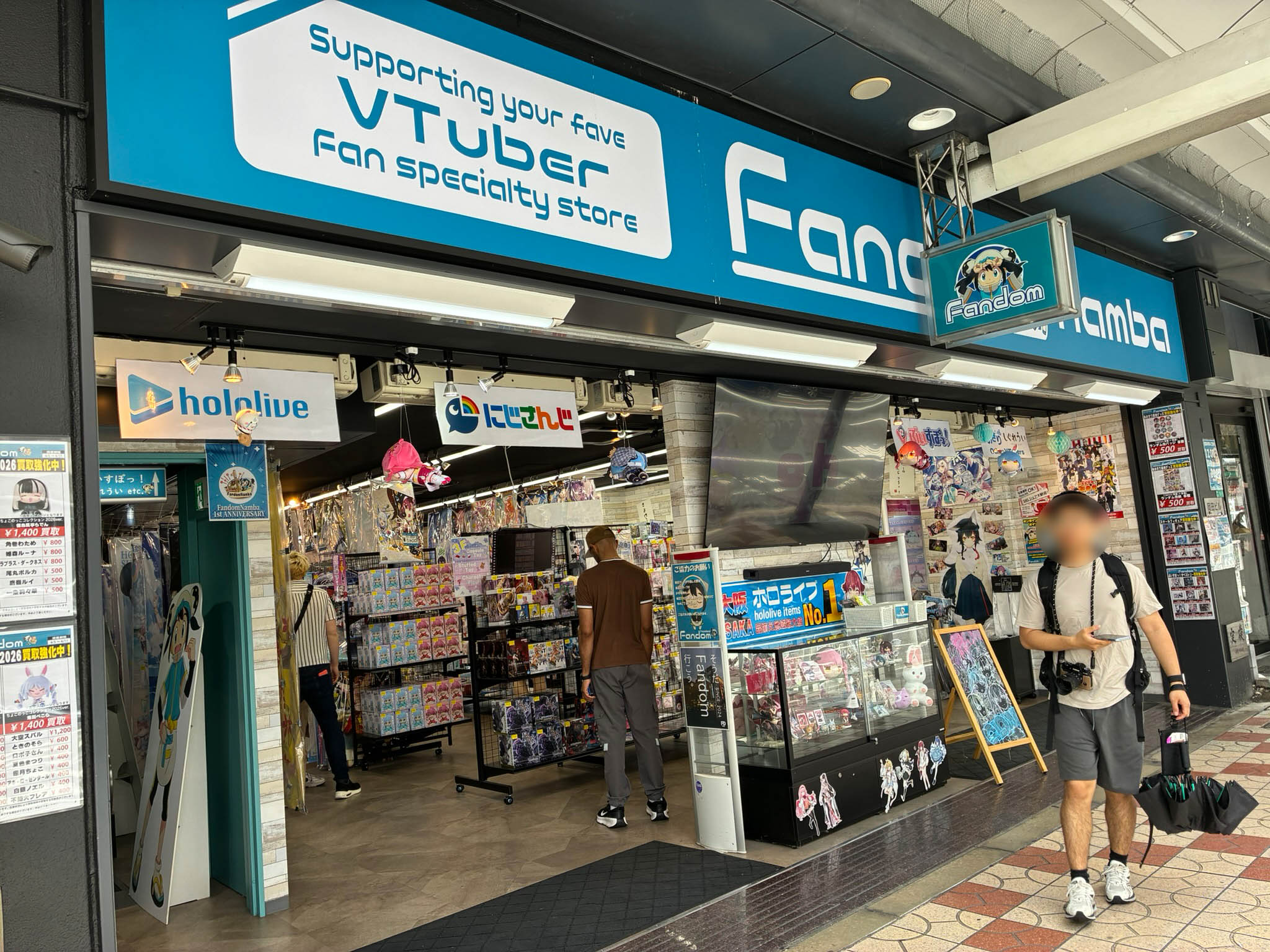
Photo by the author.
Beyond The Screen
For many international viewers, VTubers may seem like purely online entertainers. In Japan, however, popular VTubers often appear in physical stores, advertisements, concerts, collaborations, exhibitions, and limited merchandise campaigns.
This real-world presence is one reason Japanese VTubers feel different. They are not only watched on a screen. They become part of a larger fan ecosystem that connects online performance, anime aesthetics, idol culture, and physical collecting.
Final Thoughts
Japanese VTubers feel different because they are not only streamers. They are a mixture of character performance, idol culture, anime aesthetics, music, and emotional online community.
Their popularity also shows how Japanese media culture often turns characters into long-term emotional worlds that fans can watch, support, collect, and remember.